The NineHertz worked with a mid-sized automotive parts manufacturing company in Germany that produces precision-engineered components. The company works with the man power of 600 workers with 200+ CNC machines, industrial presses, and conveyor systems. The traditional maintenance system of the firm has helped them remain profitable for a long time, but turning ineffective for further scaling.
The company is now moving toward around-the-clock production, putting its reactive approach under serious pressure. The malfunctioning equipment, which was once tolerable, can now disturb the entire production line, driving enormous financial and productivity losses. The company has faced multiple delays in order delivery timelines, further causing broken customer commitment and trust.
The company worked with a productive and experienced maintenance team, which handled things well until the company planned to scale. The manufacturing facility witnessed more than 14-18 unplanned downtimes every month across 3 locations. On the 24/7 production floor, it caused missed delivery windows and lost output. The emergency part procurement alone was seen running 40% above the maintenance budget during the peak quarters while technician were spending over 60% of their time on reactive work.
All the data about machine health and equipment performance was stored in silos like PLCs, SCADA, and papers, with no meaningful way of integration and fostering data-driven decisions. Spare parts management mostly worked on guesswork. As per reports, EUR 280,000 working capital was locked into excess inventory annually.
The NineHertz team closely worked with the client maintenance team to understand the fundamental challenges and curated a custom solution.

First of all, we deployed different sensors that could monitor vibration, current draw, and temperature across 180 highest-critical machines. Sensors tracked real-time data and transmitted it to the cloud for remote access.

A machine learning model was trained that tracks live machine health scores, offers active alerts, and schedules maintenance. It detects the patterns to accurately predict the chances of failure.

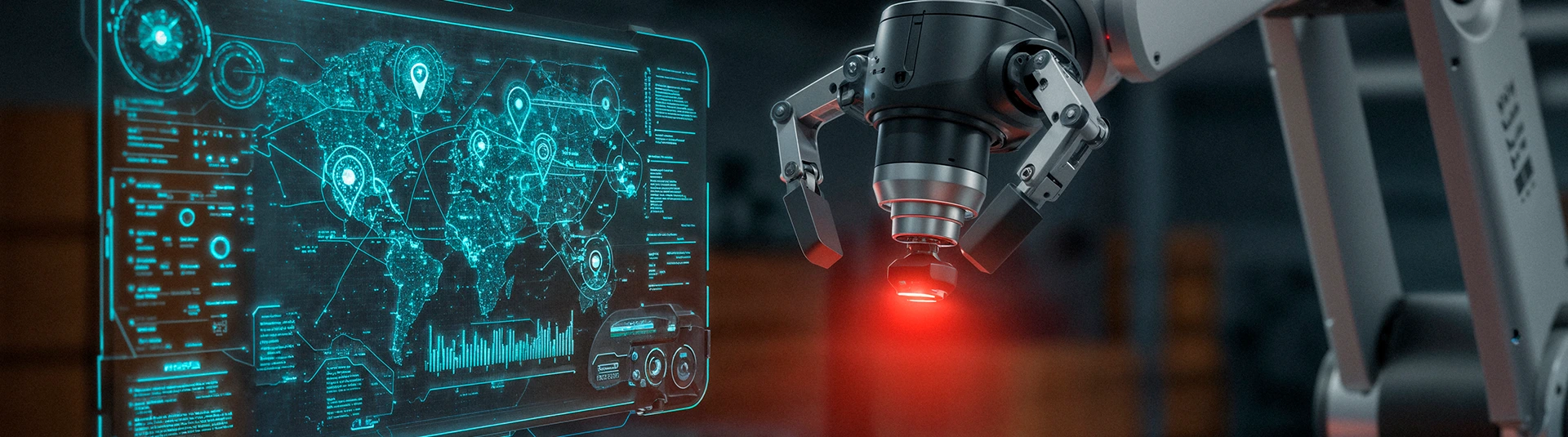
We curated a unified dashboard that offers real-time information about machine health, chances of failure, assigned technicians, urgency of maintenance tasks, current status of maintenance work, and upcoming service recommendations.
The AI-powered system could notice the pattern to identify the parts that were at high risk of failure in the next 30-60 days. It offered enough time for the client to source the part instead of locking their working capital on unnecessary spare part inventory.
The shift from predictive to reactive reduced maintenance costs, enhanced equipment reliability, and cut downtime within the first quarter of deployment.
The proactive approach enabled the smart production planning that reduced the unplanned downtime from 14-18 times per month to less than 5 times per month.
The maintenance teams used to take over 4.5 hours to understand and correct the equipment failure incident. With advance knowledge of the incident and the right parts in hand, the time was reduced to 38 minutes.
The automatic technician assignment replaced the manual discovery during inspection rounds, fostering real-time response.
The AI-powered maintenance system accurately predicts machine failure and downtimes, reducing the spare parts inventory cost by EUR260 million.