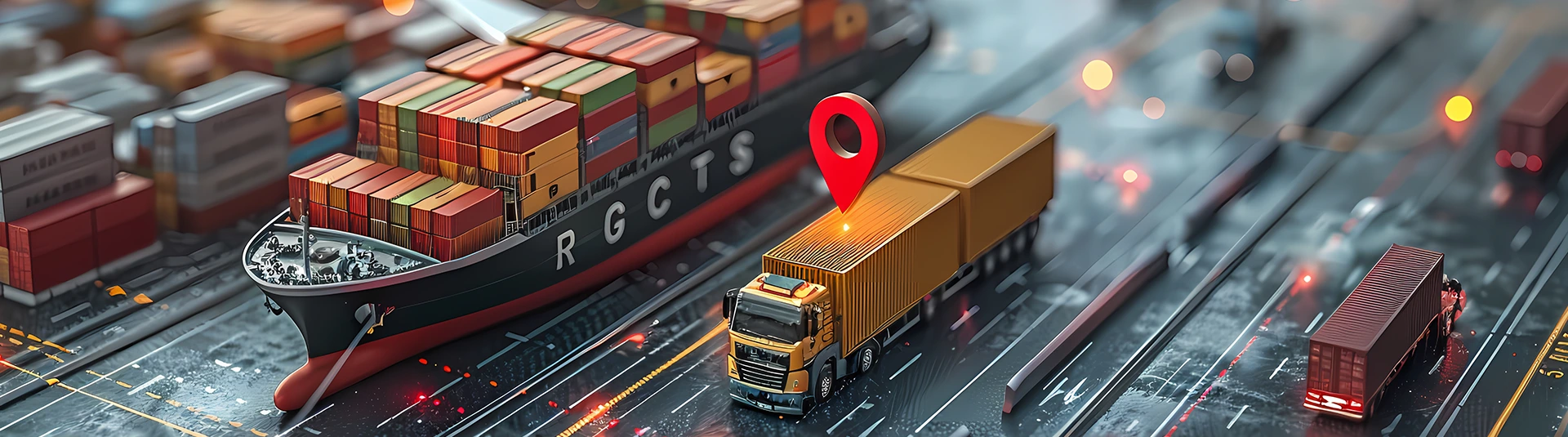
The client is a mid-sized logistics management company with headquarters in the USA. The company specializes in warehouse operations, last-mile delivery, and cross-regional freight coordination. The growing customer base with increasing pressure of delivery windows brought challenges in efficient management of route planning, dispatch scheduling, and shipment tracking. The scaling of the business made it impossible to ensure errorless operations through manual practices.
The traditional workflow of the company included fragmented and manual processes to manage end-to-end logistics. The approach often caused inefficiencies and a lack of scalability in the long term.
The NineHertz conducted a profound analysis of the real-time business challenges and root problems needing rectification. Our team built an AI-powered operations automation platform, mitigating the identified challenges and increasing overall productivity.

Our team deployed an AI-powered dispatch engine that automatically assigns vehicles, drivers, and loads according to the particular load capacity.

The final solution consisted of a route optimization engine that suggests the most fuel-efficient and low-traffic routes while analyzing the road conditions.

We developed a unified tracking layer with IoT-enabled GPS telemetry, microservices architecture, and API integration. The dashboard offers live shipment status to stakeholders.
The platform is built on RESTful APIs and EDI protocols that help to automate seamless data exchange between the warehouse management system, order management tools, and carrier networks.
The AI-powered operations automation platform led to a significant return on investment within a year of deployment. The numbers well portray the impact of the automated platform on the logistics partner.
The GPS-enabled tracking dashboard replaces the manual check-in calls. The system delivered a live status of shipment to all the stakeholders, driving 94% more shipment visibility.
With smart routing, traffic avoidance, and reducing idling, the logistics company reported a 27% decrease in fuel and overtime costs.
The manual dispatching used to take 6-8 hours per day, which was reduced to 90 minutes, enabling staff to focus more on strategic oversight.
Predictive analytics engine offered 12 days of forward visibility to operations managers regarding demand surges or shortfalls, eliminating the chances of last-minute bottlenecks.