
AI for Real Work
Most AI products look good in demos. We care about what happens after launch – when real users show up, edge cases pile up, and the system has to actually perform.
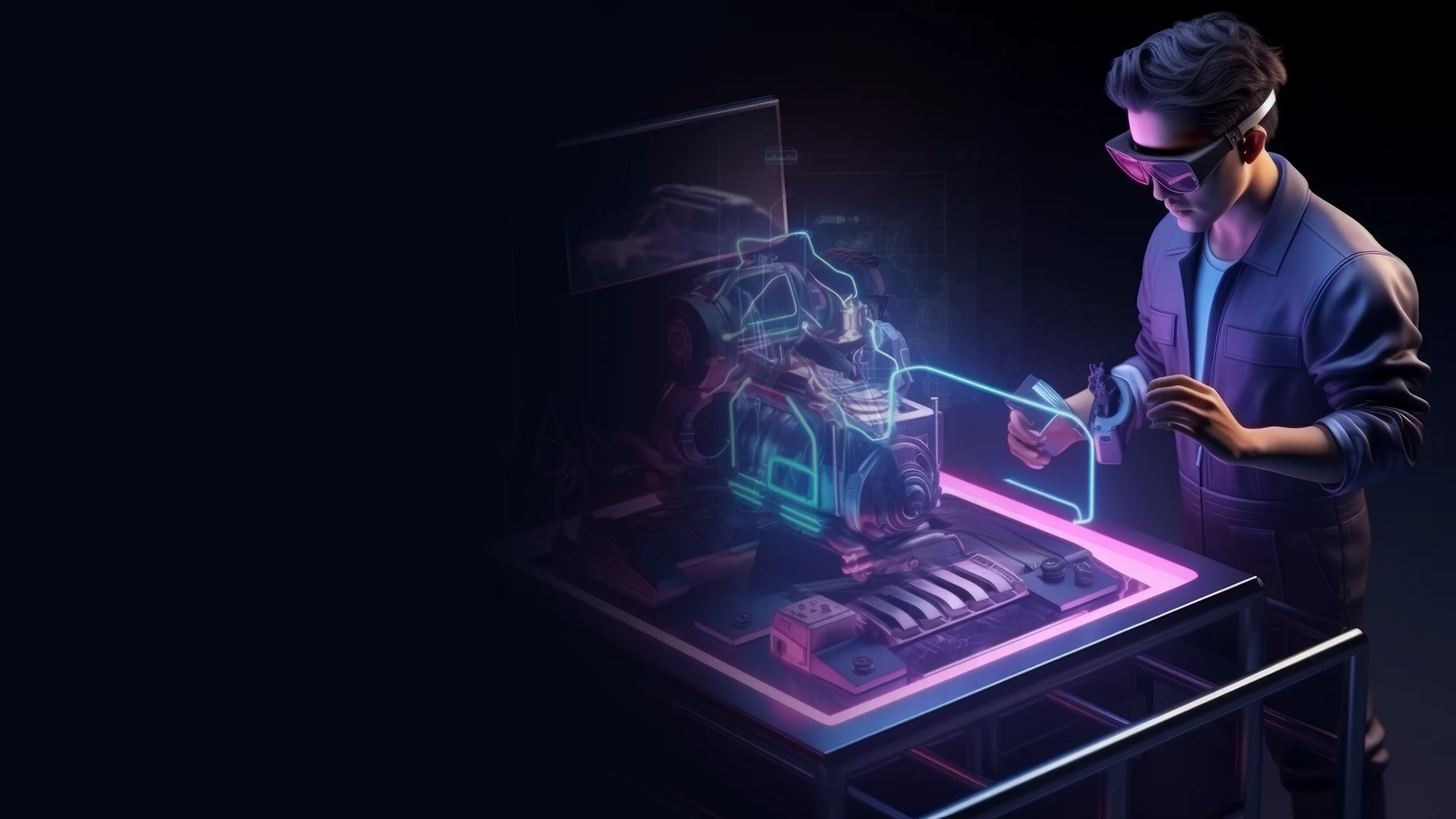
Six Types of AI Experiences We Ship
We work across the whole stack – from picking the right model to building the interface your users will actually open every day.
Conversational Interfaces
Chat, voice, and multimodal products that carry context across a session. We invest time on the parts that matters: tone, latency, fallback behavior when things go sideways.
Agentic AI Development
Agents that handle multi-step tasks without waiting for a human at every stage. We connect them to your existing tools and build in the guardrails your compliance team will ask about.
AI Development
If you have a product that already works, we add AI on top without rebuilding it. Smart search, auto-summaries, recommendations – features that make the product faster to use.
Decision Dashboards
Dashboards built around how operators make decisions – not just charts, but systems that surface the right signals like Anomaly detection, forecasting, plain-language summaries.
Employee-Facing Tools
Copilots and knowledge tools to cut the low-value work that eats up half a knowledge worker’s day – without requiring anyone to learn a new system from scratch.
Generative AI Development
We’ve built content pipelines for e-commerce, healthcare documentation, and regulated industries where human intervention brings security and not disturbance.
 Framework
The Framework for Ideal AI Implementation.
ContinuumAI is not just a framework but the way we impart AI into our client projects. Continuous learning. Integrity in adoption. Responsible, secure, and human-centered AI are the core of this framework.
We Build for Production, Not Demos
A lot of AI projects look great until they hit real users and real data. We’ve seen this enough times that we built our process around preventing it.
-
Figure Out the Actual Problem
Before we talk about models or architecture, we map what your users are actually doing — where they slow down, what they skip, what they get wrong. The AI layer has to fit that.
-
Pick the Right Architecture
Foundation model, fine-tuning, RAG, agent orchestration — the right answer depends on your data, latency requirements, and existing systems. We don’t have a default stack we fit everything into.
-
Build the Interface and Integrations
Connecting the model to your CRM, handling auth, making the interface fast enough — that’s where most AI projects run into trouble. We’ve done this work enough times to spot the pitfalls early.
-
Evaluate and Keep It Honest
We set up evaluation frameworks that track whether the system is still doing what it’s supposed to. Models drift. Prompts that worked six months ago stop working. We catch that before your users do.
Problems We’ve Actually Solved
Three examples from industries where the stakes are high enough that we had to get it right.
Most support chatbots answer questions. The agents we build close tickets — validates request, escalate when needed, and takes follow-ups.
We’ve built AI systems for finance teams that monitor anomalies in real time and flag exposure before it becomes a problem.
We’ve built predictive systems that pull from IoT feeds, ERP data, and carrier APIs to flag disruptions before they cascade.
How We’re Structured to Operate AI at Scale
The NineHertz runs on a Build–Run–Evolve framework. It’s not a marketing term — it reflects how we staff engagements and structure long-term client relationships.
Design for Production Environment
We design systems that can handle production conditions: real data, real users, real volume. That means picking the right model for the constraints you have, not the one that looks best in a benchmark.
We stay involved after launch
We monitor model performance, identify drifts, and handle the infrastructure work that doesn’t stop just because something went live. You get a live system with a team behind it — not just a repo.
AI doesn’t stay current on its own
We run regular evaluations, test new models, and expand what the system can do as your organization’s data maturity grows while most vendors skip this phase entirely.
Talk Through Your AI Problem
If you’re building something with real complexity — regulated industry, legacy systems, high user expectations — it’s worth a conversation.
Latest Thinking
Perspectives on AI, engineering, and the future of software development
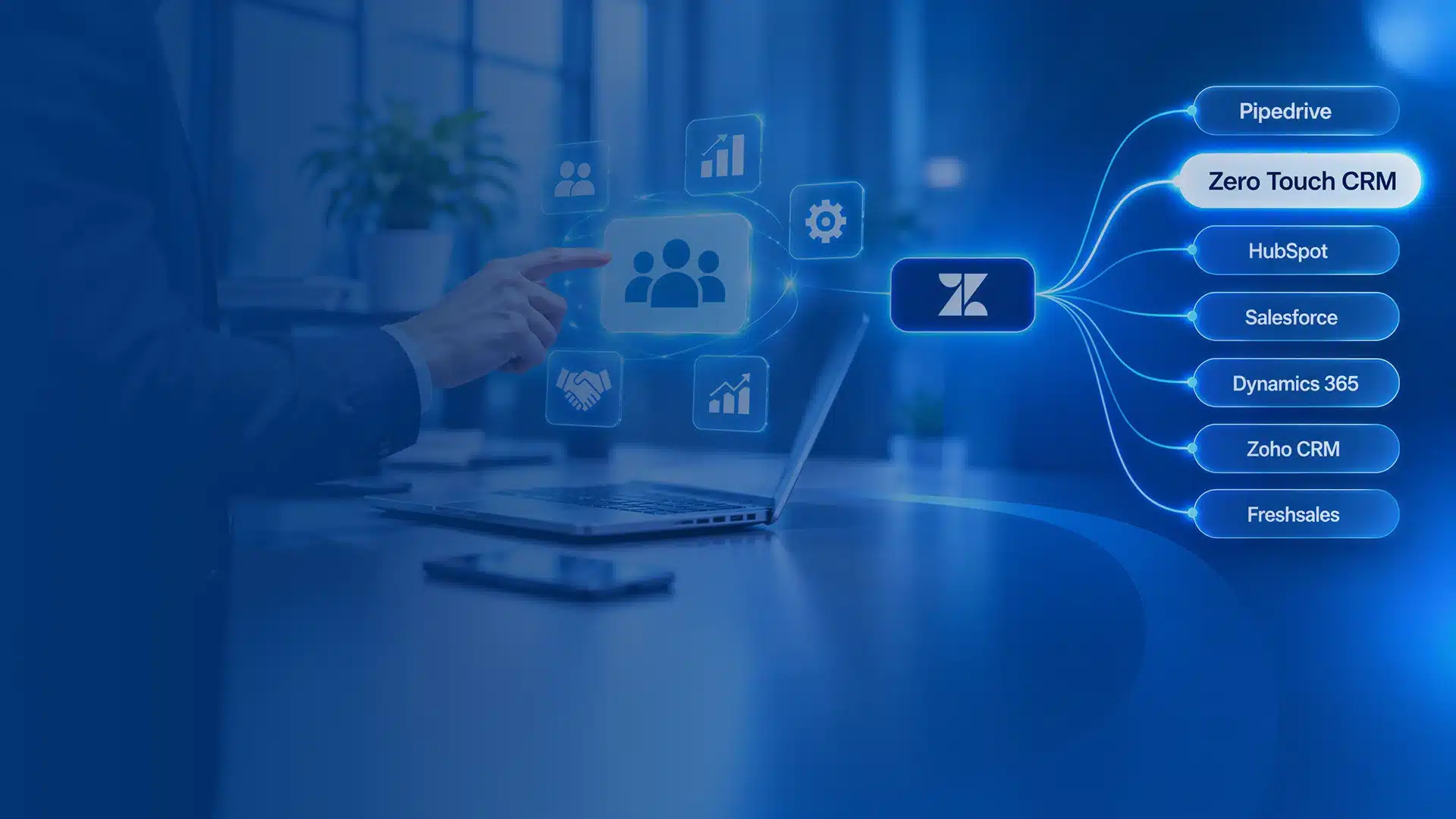
7 Best Zendesk Sell Alternatives
Key Takeaways Zendesk is retiring Sell on August 31, 2027, and Sell…

Top 5 Offshore Development Center Benefits
This is technology’s tipping point! The smart and future-forward organizations are not…
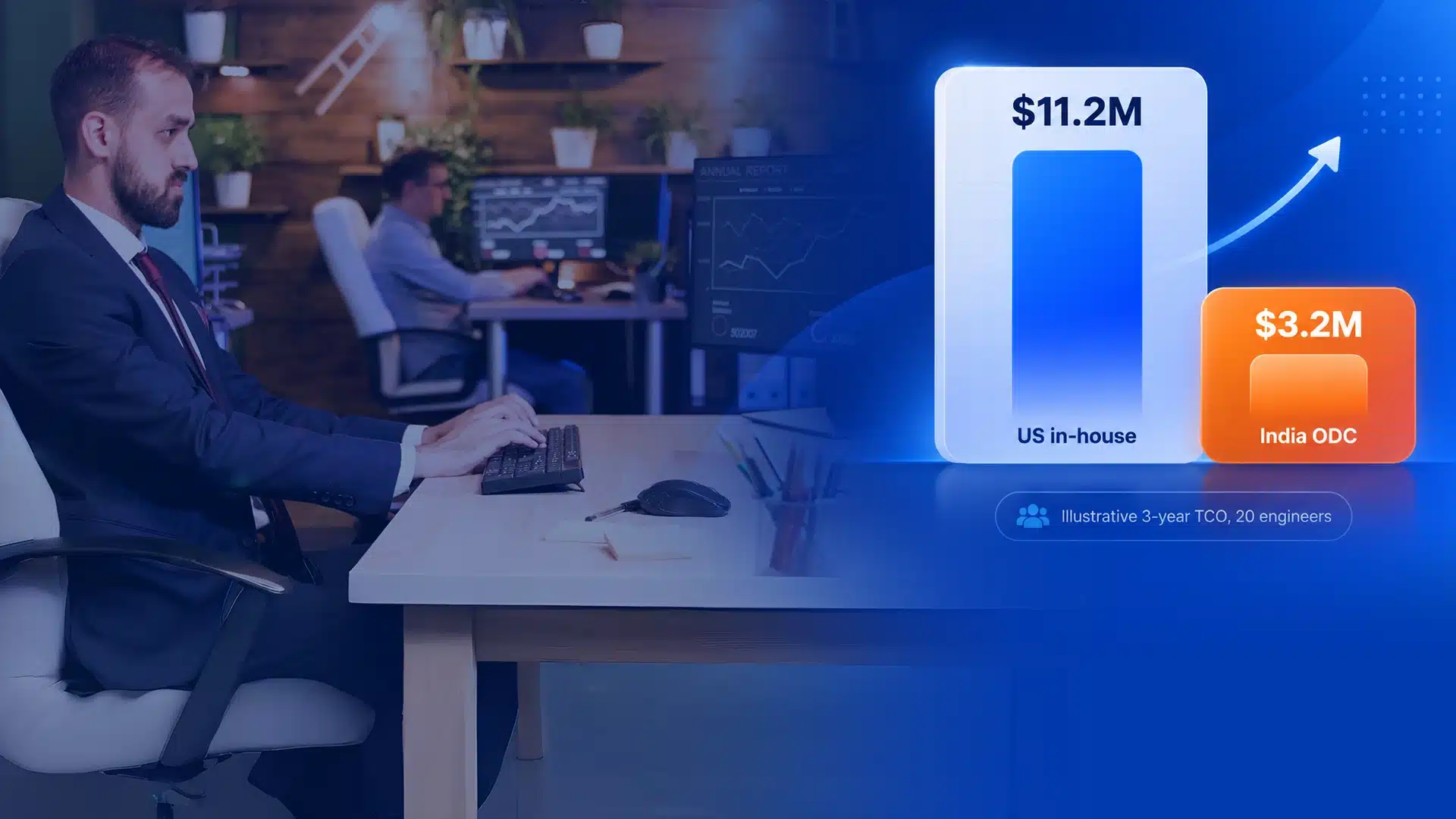
Offshore Development Center Cost in India: TCO, ROI and Budget Planning
Key Takeaways The real offshore development center cost is not the hourly…

Why Enterprises Choose Jaipur for Offshore Development Centers: Cost, Talent, and Scalability Advantages
Key Takeaways Jaipur delivers 35–45% lower operating costs than Bangalore, with attrition…

IP Ownership Architecture for India ODC Engagements: What Enterprise Companies Must Secure Before Writing the First Line of Code
Key Takeaways IP architecture is not a legal formality bolted onto an…

Offshore vs Nearshore – Which Model is Right for Your Business?
Key Takeaways Offshore development refers to partnering with an offshore team in…