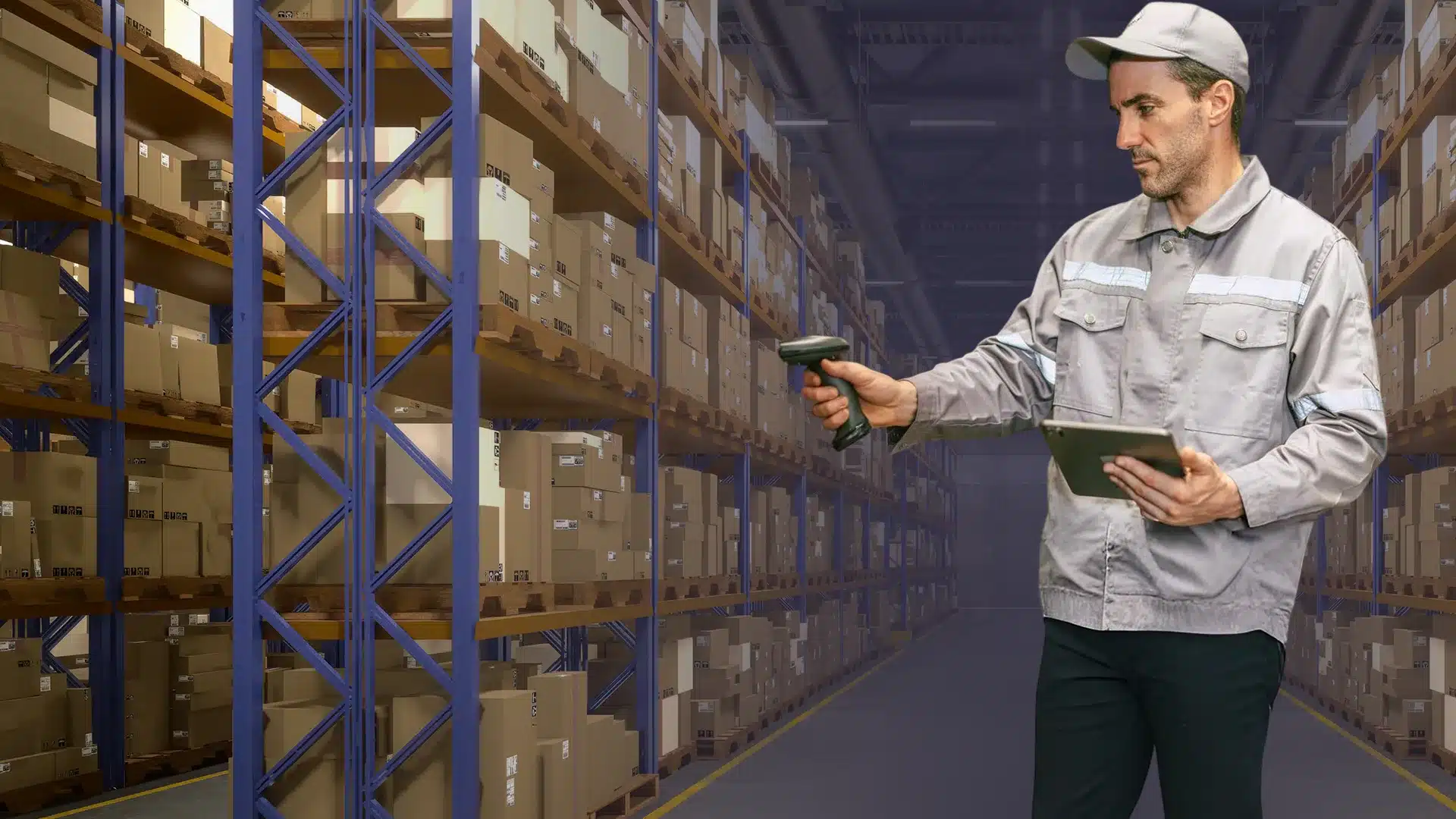
Stop risking spoilage. Upgrade to real-time cold chain monitoring today and protect your bottom line. Request your free logistics audit now.
If you spend millions developing a life-saving vaccine or sourcing the world’s finest artisanal cheese, only to have it arrive at its destination tasting like… well, sour cream. That is the quite literal cost of a broken cold chain.
About 30% of global pharmaceutical deliveries arrive with some degree of damage due to temperature mishaps. When deviations occur, the consequences can include not only product loss but also regulatory penalties and damage to a brand’s reputation.
In the old days, we used paper-based data loggers and hope. Today, we have IoT-enabled cold chain sensors that scream digitally the moment a reefer container hits a fever. We’ve traded “I think it stayed cold” for end-to-end cold chain visibility, where AI-powered predictive cold chains can tell you a truck is going to overheat before the driver even knows he’s hungry.
Temperature breaches can occur at any point during the manufacture, transport, storage, and supply of a medication, making continuous cold chain temperature monitoring essential for safeguarding product quality and ensuring compliance with strict temperature requirements. Modern systems are designed to meet specific temperature requirements and maintain optimal temperature conditions throughout the cold chain, including during storage in a cold storage facility.
Beyond avoiding a HACCP cold chain standards audit nightmare, temperature-controlled logistics is about survival. Between FSMA 204 compliance and Good Distribution Practices for Pharma, we aren’t just shipping boxes but also managing a perishable supply chain where a 2-degree deviation is a felony.
The process utilizes an IoT-based cold chain monitoring system that transforms passive cold storage into an active, intelligent network. It involves Data Collection via Smart Sensors, which are placed inside trailers, refrigerated containers, or on individual pallets to measure temperature, humidity, light exposure and shock vibration.
These sensors transmit data wirelessly, typically using cellular networks (5G/LTE-M) or Bluetooth (BLE) to a central cloud platform. This allows logistics managers to track conditions in near-real time, rather than waiting for a PDF report at the end of the journey.
If the temperature deviates from the pre-set thresholds (temperature excursions), the system sends immediate, automated alerts to managers, drivers, and quality teams via text or email. This enables immediate, proactive correction, such as adjusting the refrigeration unit or alerting the driver to check a door.
All data is stored in a centralized system that automatically generates compliance reports (FDA/FSSAI/GDP compliance). By 2026, many systems use AI analytics to predict future failures based on historical data.
Cold chain temperature monitoring is the continuous, systematic, and digital supervision of temperature-sensitive products (same as in the case of vaccines, food, pharmaceuticals, and blood products) throughout their entire journey from production, through transit, to the final, often forgotten, last mile of delivery.
Real-time temperature monitoring: Waiting until a shipment of vaccine storage and transportation arrives to find out it’s “cooked” or beyond the shelf life. Sensors record temperatures at regular intervals, creating a historical record for compliance and audits.
Blockchain for cold chain traceability: Finally, a use for blockchain that isn’t a digital monkey picture. It ensures customs clearance for pharma doesn’t involve a “he-said, she-said” about who left the freezer door open.
Last-mile cold chain delivery: The most dangerous part of the journey, where a yogurt’s fate rests on a driver’s ability to not leave the insulated shipping containers in the sun while grabbing a coffee.
Temperature excursion management: A fancy way of saying “fixing the mess before the FDA temperature-controlled regulations inspector sees it”.
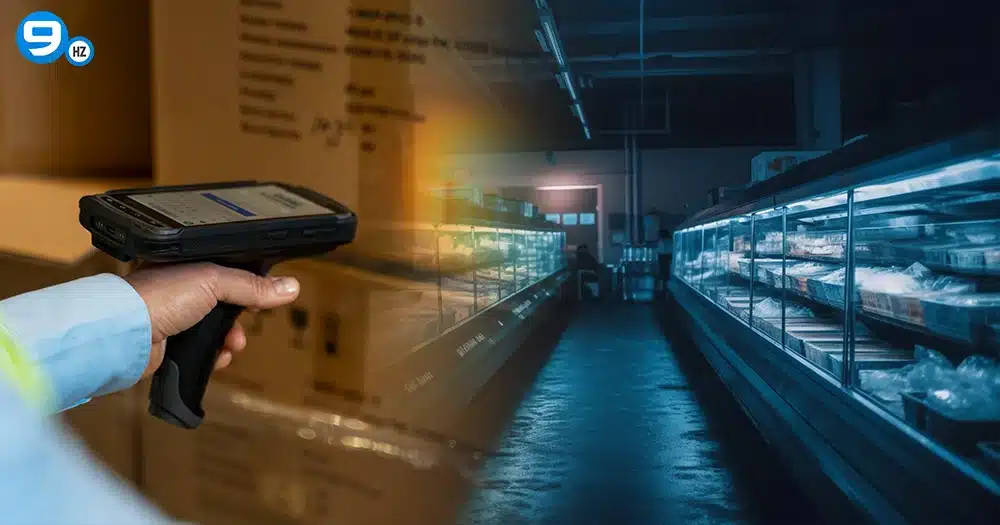
Cold chain monitoring has evolved from a simple USB logger to AI-powered systems. IoT devices, like Bluetooth Low Energy beacons, provide live data, triggering instant SMS or app alerts when temperatures fluctuate, preventing damage. AI now analyzes trends to warn operators that a refrigeration unit is about to fail before it actually breaks. Blockchain technology is creating unalterable records, building trust between manufacturers, logistics providers, and customers.
The core of cold chain temperature monitoring is a sophisticated network of temperature monitoring devices meticulously deployed throughout the supply chain. To maintain your grip on power (and product integrity), you must deploy these essential components, ensuring a smooth and compliant cold chain management:
A small fluctuation in temperature can lead to costly spoilage, compromising the integrity of the product. Cold chain logistics ensure perishable food items, medicines, vaccines, and injections stay fresh until they reach their final delivery location and before any customer buys them.
As fancy as it might seem, some real-time data and the insights related to it are very much essential to (1) identify inefficiencies, (2) optimize routes, and (3) reduce energy consumption, just to ensure that perishable foods are always kept within safe limits.
Remote cold chain temperature monitoring solutions act as a watchful, obsessive guardian for your perishable supply chain, using IoT-enabled sensors to transmit real-time data from refrigerated transport or storage.
When temperature-controlled logistics fail, these tools send instant alerts to your phone, shouting at a courier before the vaccine ruins or the avocado guacamole becomes a science experiment.
By using real-time temperature data logging, it prevents spoiled goods and keeps your notes cold – chain industry reputation sparkling, avoiding the dreaded broken cold chain conversation.
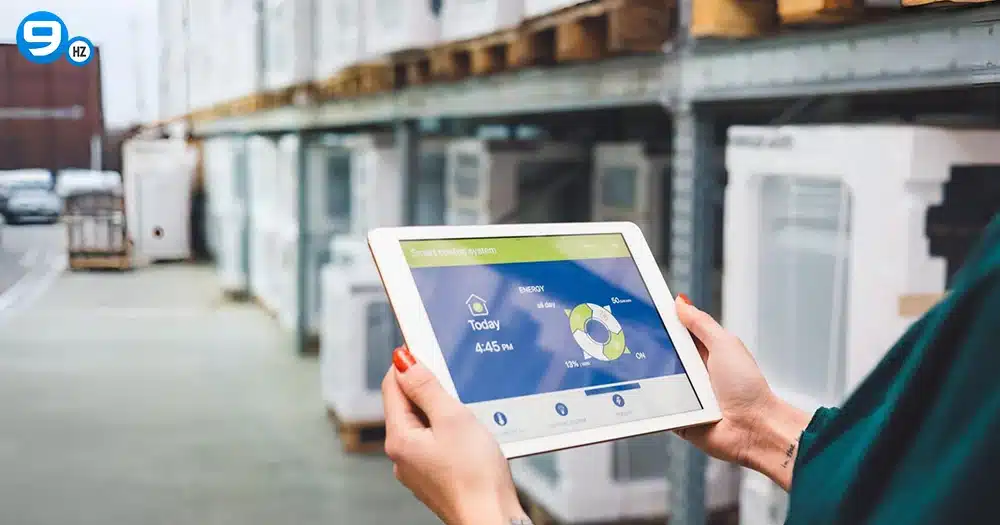
These days, wireless sensors and data loggers stream real-time data into comprehensive dashboards, giving companies instant visibility into temperature trends, deviations, and potential trouble spots.
Companies can identify patterns like recurring temperature excursions at a specific warehouse or spikes in energy waste during certain routes by taking the help of advanced analytics tools to predict when and where temperature deviations are likely to occur, so that proactive interventions can prevent spoilage and maintain product quality.
The operational efficiency improved, cost was reduced, and supply chain became more resilient. Reporting tools and actionable insights help cold chain managers make informed decisions, optimize processes, and keep temperature-sensitive goods safe from production to delivery.
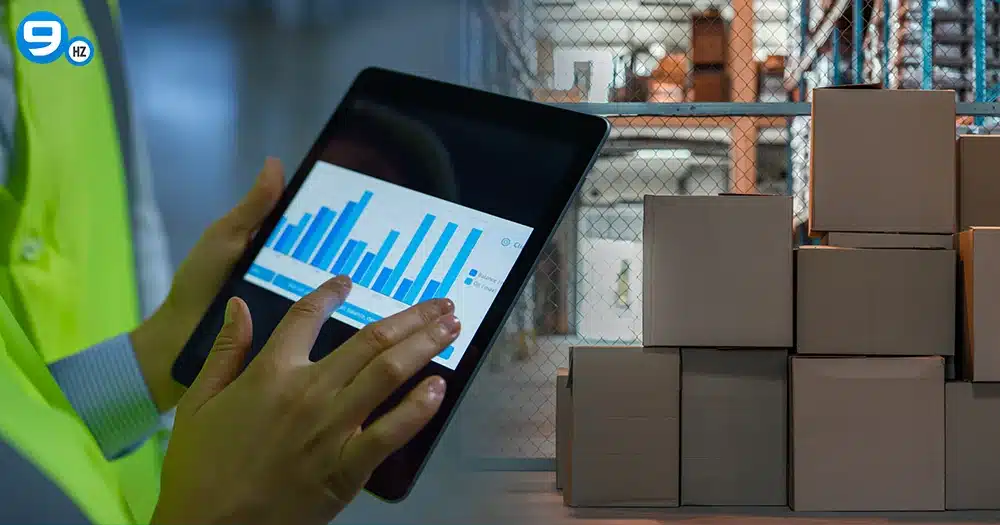
Is a trusted, manual temperature log truly worth risking FDA penalties when a secure, automated monitoring system provides a tamper-proof audit trail? By using automated door alarms, you ensure no cold chain deviation goes unnoticed, transforming compliance from a panic-induced stressor into a routine, optimized operational advantage.
Why rely on shaky, manual records when you can effortlessly maintain a robust, secure, and compliant cold chain?
Is a “fresh” product still fresh if it has spent three hours at room temperature? While we trust modern logistics, real-time, IoT-driven cold chain monitoring asks us to trust, but verify instantly. Wireless sensors turn potential product spoilage into a fixable, proactive moment rather than a post-mortem, allowing personnel to turn a crisis into a routine, corrected event.
Effective, proactive cold chain management is less about having the data and more about having, rehearsing, and acting on it instantly whether that means rapid re-routing, on-site repairs, or initiating a swift, compliant, and well-organized product recall. Ultimately, it’s not about how fast a crisis arrives, but how quickly you make it disappear, turning a potential loss into a, “What alarm?” moment.
There are many cold chain temperature monitoring tools which include monitoring fixed environments like (1) cold rooms, (2) blast freezers, (3) cold storage facilities, and (4) refrigerated distribution centers; it also includes tracking conditions inside refrigerated trucks, shipping containers, and air cargo units using IoT sensors or data loggers;
These tools generate audit trails and electronic records for customs clearance and health safety inspections, useful for maintaining precise temperatures during manufacturing, such as in pharmaceutical synthesis.
Cold chain temperature monitoring is crucial for vaccines (mRNA at -70°C), insulin, biologics, and blood products; vital for fresh produce, dairy, frozen seafood, and “farm-to-fork” logistics; and used for volatile materials, adhesives, and photographic film. It also preserves the freshness of cut flowers and the stability of organic skincare.
To avoid your perishable supply chain turning into a biohazard, your hardware needs more than just a feeling. A serious checklist demands a temp range wide enough for deep-freeze or vaccines, a sampling rate frequent enough to catch a sneeze, and accuracy that doesn’t hallucinate. Battery life must outlast a delayed cargo ship, while ruggedness ensures it survives a disgruntled forklift driver. Without these, your environmental monitoring is just expensive decorative plastic.
Your monitoring must play nice with ERP/TMS/warehouse systems, offering multi-site visibility. In the cold chain industry, if your IoT-based traceability can’t scale from one truck to a global fleet, you aren’t managing cold chain logistics; you’re just babysitting boxes. IoT-enabled sensors, Bluetooth, and wireless connectivity like cellular/satellite are used to track and log environmental data in real time across vast distances, while LoRaWAN is used for localized monitoring.
Compliance is the ghost that haunts refrigerated transport. Your solution must offer ironclad data security and validation to satisfy FSMA 204 compliance and FDA temperature-controlled regulations. User-friendly interfaces are essential for managing compliance and interpreting data. If your records aren’t tamper-proof, customs clearance for pharma will become your personal purgatory. True cold chain solutions provide the digital paper trail required by Good Distribution Practices, supporting HACCP cold chain standards and enabling waste reduction.
Key Metrics to Stop Guessing:
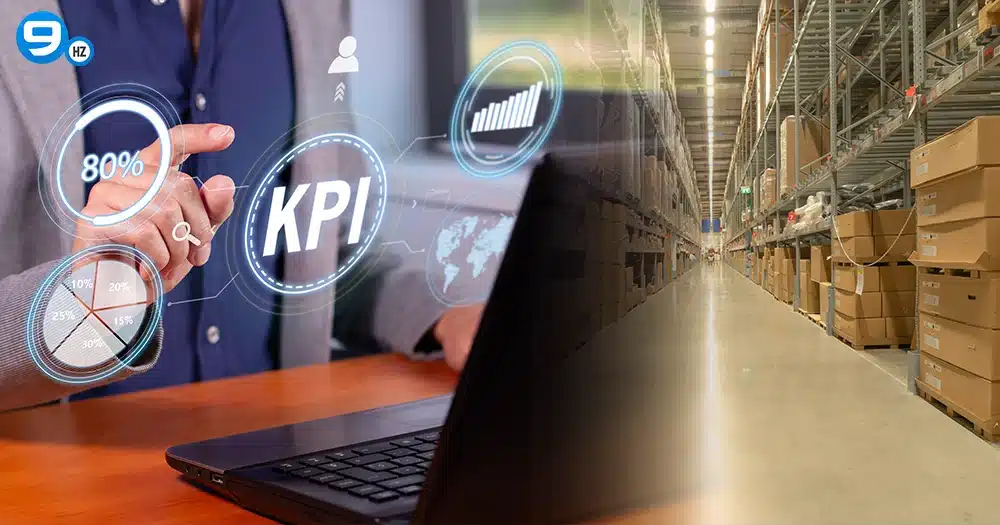
Maintaining a historical record of temperature data supports accurate KPI tracking and compliance, making audits and investigations easier.
Comprehensive dashboards and reporting tools allow stakeholders to visualize temperature data collected by the monitoring system, making it easier to measure ROI and operational performance.
By using refrigerated logistics with an edge gateway sending real-time telemetry to a cloud-based dashboard, you reduce spoilage by, say, 40%.
The basic idea is to stop relying on luck and pointless sensor calibration prayers. You need to get smart with supply chain traceability or keep paying for, well, nothing.
Is your cold chain monitoring strategy actually protecting products, or just producing expensive, useless data? True mastery requires more than fancy sensors; it demands consistent, paranoid vigilance. By deploying reliable wireless sensors, training staff to care, and obsessively calibrating devices, you ensure compliance. With real-time dashboards and updated contingency protocols, you avoid costly spoilage. True quality control is not a “set it and forget it” activity. It is a continuous, slightly obsessive pursuit of temperature perfection that transforms, rather than just monitors, your supply chain.
For over 16+ years, to guarantee product integrity, The Ninehertz has engineered sub-zero precision, pivoting from digital media to the high-stakes chill of Cold Chain Temperature Monitoring. With a portfolio of 1,000+ deployments ranging from nimble startups to global heavyweights, we treat your temperature-sensitive cargo with the reverence it deserves.
By embedding AI, IoT, Google Cloud, Azure, GPS, MongoDB, MySQL, PostgreSQL, Cassandra, and Apache HBase, Flutter, React Native, iOS (Swift), and Android (Kotlin), Blockchain, Apache NiFi, Kubernetes, Docker, Jenkins, and Grafana, we don’t just watch thermometers; we predict excursions before they become expensive melts. Our tailor-made systems offer real-time visibility for pharmaceuticals, biologics, and perishables, ensuring compliance with strict global standards like FSMA.
The financial forecast? Frosty but favorable. We slash development overhead by 40% and sprint to market 30% faster than the competition. From initial sensor ideation to 24/7 hyper-vigilant support, Ninehertz ensures your supply chain remains as unbroken as your brand’s reputation.
In an era where a single degree of negligence can cost millions in spoiled vaccines or rotten produce, cold chain monitoring has evolved from a lazy, pen-and-paper task into a high-stakes digital thriller.
But what actually is it? In the simplest terms, it is the process of using technology to maintain and verify that temperature-sensitive goods ranging from pharmaceuticals to fresh produce stay within their required climate range from production to the final drop.
However, simply knowing it was hot isn’t enough anymore. If your monitoring system only tells you the cargo ruined itself three days ago, you don’t have a monitoring system; you have a post-event analysis report.
Here is how modern cold chain monitoring has shifted from “Oops, it’s spoiled” to “Proactive protection,” using the tools of Industry 4.0.
The cornerstone of modern cold chain management is IoT-based monitoring. Forget manual temperature logs. Modern systems utilize wireless sensors placed inside packaging, pallets, or refrigerated containers to track, record, and transmit environmental data continuously.
These sensors provide real-time telemetry, allowing you to see the exact status of your goods in transit via a cloud-based dashboard. If a reefer unit fails in the middle of a desert, you don’t wait for the driver to check. The system sends an alert immediately.
An effective, smart cold chain system is not just one tool, but an interconnected, intelligent network. IoT devices don’t just record the temperature; they log it for compliance purposes, offering a tamper-proof trail. In areas with poor cellular coverage, an edge gateway acts as a local data processor, ensuring that if connectivity drops, your data doesn’t (a common cause of headaches for traditional loggers). Because a smart sensor that is 5 degrees off is just a very expensive paperweight, regular sensor calibration is the unsung hero of accuracy.
A temperature excursion is the moment your goods fall out of their required range (2°C to 8°C for pharmaceuticals).
Compliance is Not Optional
You probably aren’t monitoring because you love data but doing it because of cold storage compliance and regulations like Good Distribution Practice.
For the pharma industry, adhering to FDA 21 CFR Part 11 means your data must be accurate, secure, and accessible for audits. Trying to manually manage these records is a recipe for a catastrophic audit failure. Automated, cloud-backed logging provides the audit trail you need to keep auditors happy.
But you can’t afford to ignore it because beyond just keeping vaccines cold, effective monitoring knows exactly where a product was when it was compromised. It is used to identify malfunctioning equipment before it fails.
If you are still managing your refrigerated logistics with paper logs and hoping for the best, you are running a high-stakes gamble. Modern, IoT-powered cold chain monitoring transforms your logistics from a reactive crisis management strategy into a proactive quality assurance powerhouse.
Effective cold chain temperature monitoring is essential for safeguarding product quality, ensuring compliance with regulations, protecting your brand’s reputation, and supporting waste reduction and lower carbon emissions. Advanced technologies like Radio Frequency Identification (RFID) tags enable efficient, automated inventory management in modern cold chain logistics.
Some of the most used cold chain IoT solutions for monitoring temperature are wireless BLE sensors & data loggers, cellular IoT gateways, GPS-based trackers, smart refrigerated containers, and RFID temperature sensors.
Vaccine cold chain monitoring is basically the continuous oversight of temperature-controlled environments, which ensures that the vaccine remains in the recommended 2° to 8°C or inthe frozen zone.
Food temperature cold chain monitoring enables the real-time tracking of temperature and humidity during the production, storage, and transportation of perishable food items. It reduces the chances of food spoilage and bacterial growth to ensure safety.
Cold chain temperature can be checked using different devices like probe thermometers, digital data loggers, and more. It helps to ensure that the food or any perishable item remains in the required range of 2° to 8°C.
The cold chain temperature standards are based on the product category.

Merging Artificial Intelligence (AI) with IoT is one of the groundbreaking approaches in the technology domain. On one side, IoT…
Key Takeaways IoT App development companies in India are progressing fast and serve a global client base. Their clients are…
Key Takeaways Fuel monitoring systems can help fleet-based companies reduce their fuel theft, loss, and inefficiencies through real-time tracking and…