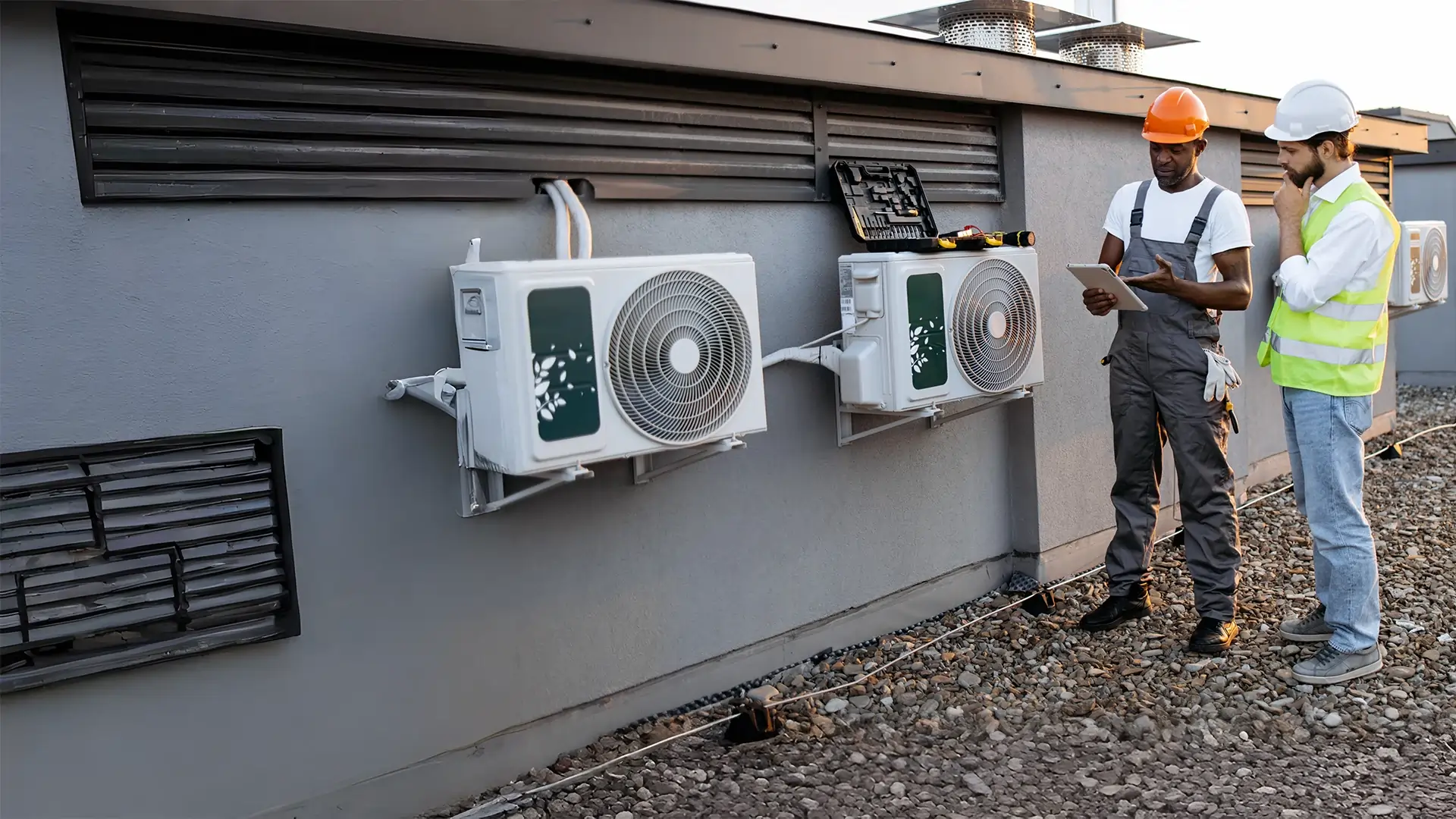
Commercial buildings run on climate control. Yet a significant amount of energy is lost without anyone noticing. HVAC systems alone account for 40% of the energy used in commercial buildings in the US, making them the biggest cost of running a business for many buildings.
And here’s the uncomfortable part. Energy analysts believe approximately 30% of commercial building energy is lost due to equipment inefficiencies, lack of proper maintenance, and unnoticed faults.
This is where remote monitoring solutions for HVAC systems start to change the game. It keeps an eye on changes in temperature, unusual runtime, and energy spikes. Operators can finally see what’s going on inside the system instead of having to guess.
Many companies now deploy remote monitoring solutions for HVAC systems, combining IoT sensors, AI diagnostics, and BMS integration. The NineHertz builds these platforms from scratch. Clients often report energy savings approaching 25% after deployment.
Stick around. We will explore the system in detail.
Remote monitoring solutions for HVAC systems involve several integrated technologies working together to create efficient solutions.
Sensors are connected to an HVAC monitoring system and enable you to gather performance data continuously. This way, you can measure the performance of your systems over time.
Many HVAC monitoring systems use multiple sensor types:
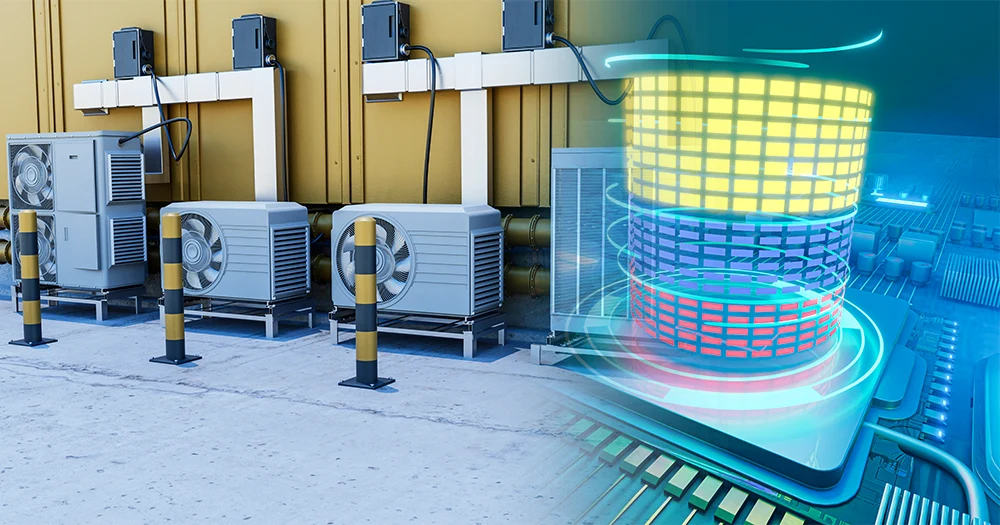
Sensors produce data constantly; the controller collects and transmits it. Once the controller collects data from the sensors using standard network protocols, it transmits the data to the cloud via:
Examples of controlling devices include PLCs, microcontrollers, smart thermostats, etc.
This communication layer allows connection to the HVAC remote monitoring system, allowing continuous real-time performance data transmission from sensors. The sensors keep sending information until the connection fails.
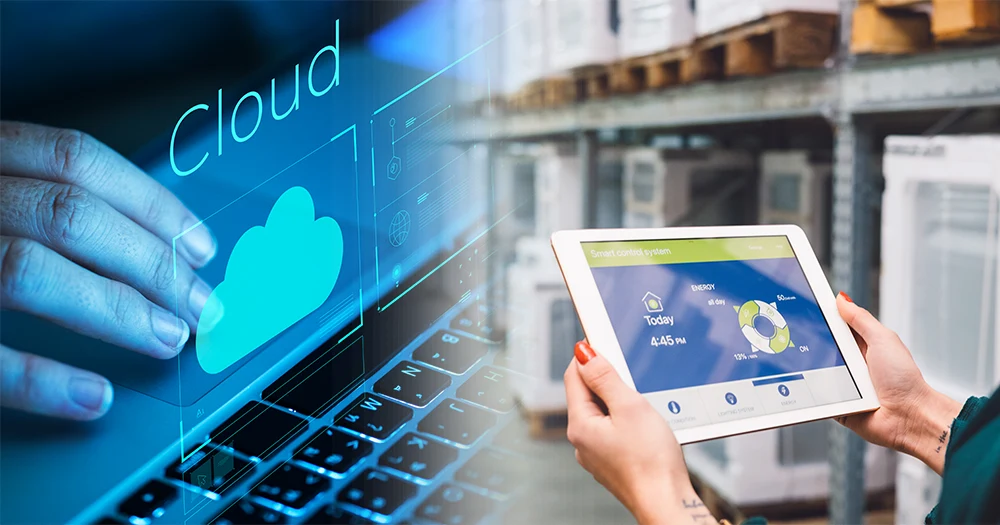
This cloud-based solution turns raw HVAC data into actionable intelligence.
Using dashboards, maintenance teams can monitor the performance of their HVAC equipment in real-time, virtual representations of ventilation and air conditioning activity, temperature trends over time, equipment runtime, and energy consumption of the equipment.
To protect HVAC operational data, connected systems pose security issues. Monitoring platforms use encryption for data transmission, secure storage of data, and role-based access control to provide protection to the data while allowing technicians and facility managers access to the HVAC remote monitoring system.
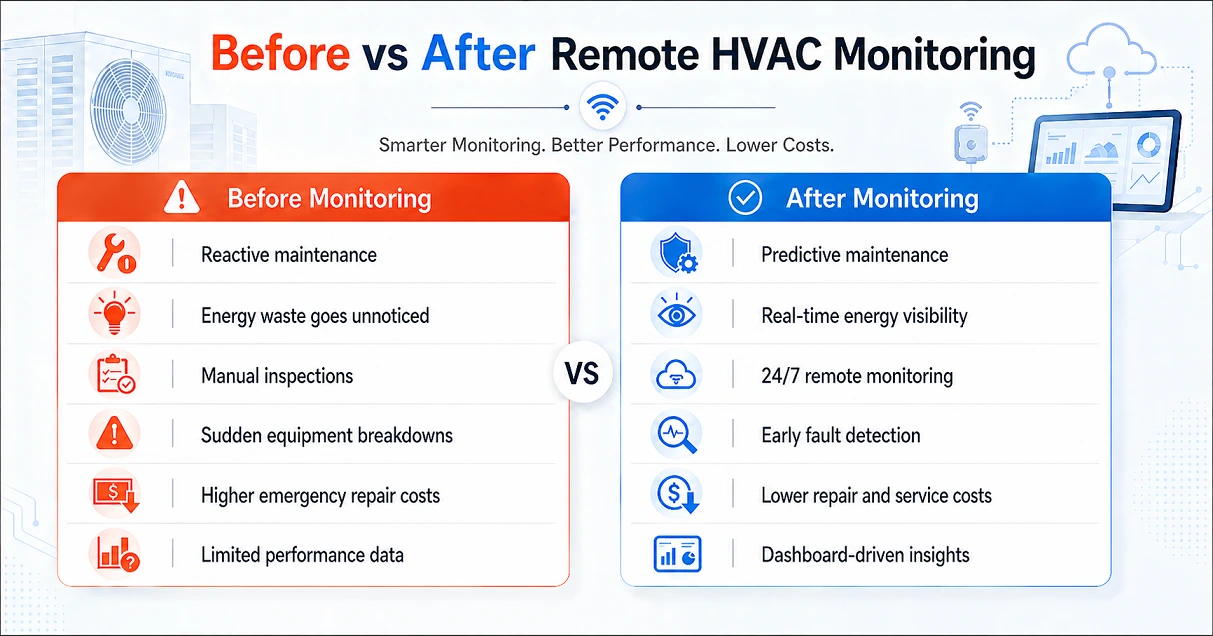
HVAC problems hide in plain sight. Equipment runs longer than necessary. Airflow slowly drops. Energy bills creep up month after month. Teams often notice the issue only after something fails.
HVAC remote monitoring changes that pattern. Instead of reacting to breakdowns, operators see system behavior as it happens. Let’s look at where the real value shows up.

Energy waste rarely comes from one big failure. It usually builds through small inefficiencies, overworked compressors, dirty filters, or units running overnight when the building is empty.
Remote HVAC monitoring quickly shows these patterns.
Technicians can look at performance data to identify the energy leakage before sending someone to the site. That alone cuts down on service visits that aren’t needed.
Managers also start to notice machines that run longer than they need to or use more power than usual. Small changes can often lead to big savings.
Fixed service intervals are what traditional maintenance schedules are based on. Every few months, the equipment is checked, even if it doesn’t need it.
HVAC remote monitoring gives you data instead of guesswork.
Sensors keep an eye on important signs like:
Analytics engines keep an eye on those signals all the time. The system flags a pattern when it starts to act in a way that isn’t normal.
Maintenance teams can then act early. This shift toward predictive maintenance produces several operational advantages:
People who work in a building generally detect HVAC problems before the staff does. Rooms feel warmer. Air becomes stale. Humidity rises.
Continuous remote HVAC monitoring helps maintain stable indoor conditions. Many platforms also keep an eye on things like carbon dioxide levels, which show how clean the air is. Long before workers start to complain, bad ventilation is easy to see.
Large organizations often manage dozens of buildings across different cities. Monitoring each site manually becomes nearly impossible. Remote HVAC monitoring solves that visibility problem.
Facility managers can see how healthy the systems are at all locations on unified dashboards. Mobile applications allow teams to adjust temperature settings, review alerts, or check equipment status from anywhere.
In certain circumstances, HVAC systems create safety hazards for the occupant (e.g., swings in temperature, power outages, refrigerant leaks, excessive water buildup). HVAC remote monitoring systems detect these hazards quickly and notify users when abnormal events occur.
Furthermore, businesses that rely on ongoing data acquisition have access to system performance data for the purposes of audits, regulatory reporting, or internal compliance reviews.
For many facility managers, having this level of operational visibility is just as valuable as the cost savings provided by the system.
Remote monitoring solutions for HVAC systems vary widely based on use case, with some providing a simple way to ensure comfort in a residential or commercial setting, while others have very specific requirements, such as temperature and, ultimately, cold chain requirements for food or pharmaceuticals.
Smart thermostats, wireless sensors, and mobile apps are the main parts of a residential HVAC monitoring system. These gadgets keep the inside of your home comfortable by measuring temperature, humidity, and occupancy signals. They also cut down on energy use that isn’t needed.
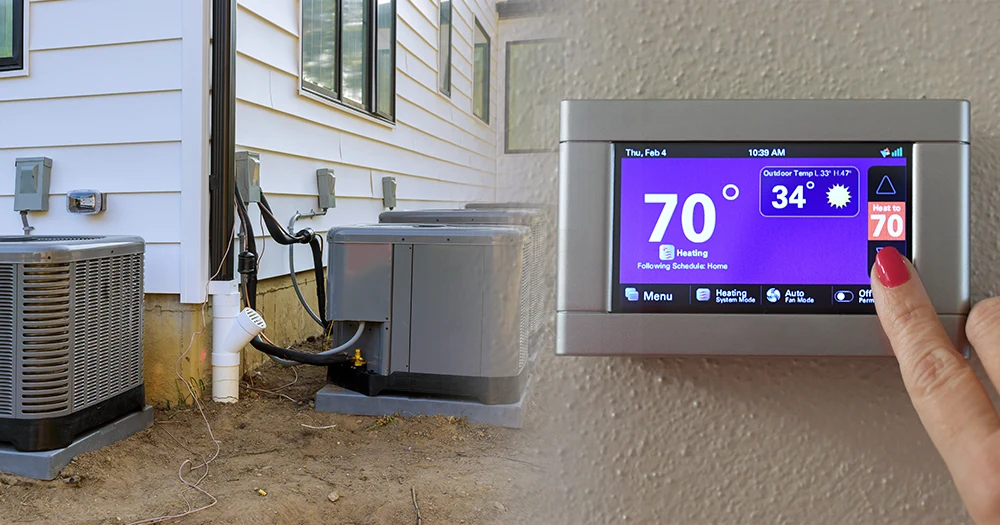
Smart thermostats can connect to home networks and let people control the heating and cooling from their phones or laptops. Many models also learn how people behave every day and change their schedules automatically based on how many people are in the house.
Use Case- Smart Home Energy Optimization
A homeowner puts in a smart thermostat and temperature sensors that can interact with each other. The system learns over the course of a few weeks that the house is empty every afternoon on weekdays. During those hours, the cooling levels automatically drop and then go back up to normal before people get home.
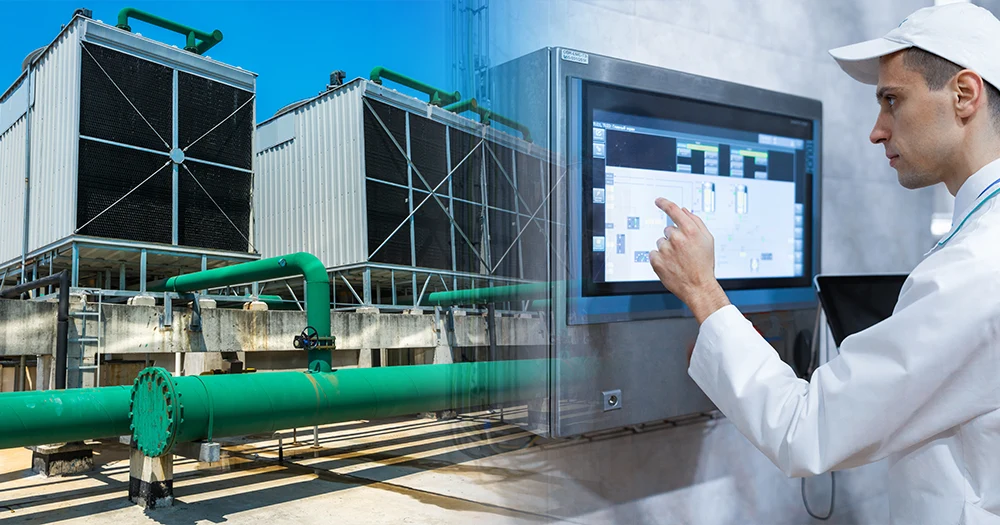
Large buildings require a much more advanced HVAC monitoring and control system. A Building Automation System (BAS) is commonly integrated with office, hospital, or university HVAC controls.
These systems monitor numerous sensors located throughout a facility (in rooms, floors, and equipment zones) and allow central operators to view the status of building control systems such as heating, cooling, ventilation, and lighting.
Use Case- Multi-Zone Office Management
A conference floor suddenly fills during a corporate event. Temperature sensors detect rising heat levels. The monitoring platform increases airflow in that zone while reducing cooling in empty rooms.
Industrial environments depend heavily on stable temperature and airflow conditions. Manufacturing plants, pharmaceutical labs, and data centers cannot tolerate unexpected HVAC failures.
Industrial monitoring systems utilize many different types of measurement techniques (vibration, pressure, motor performance, etc.) to show how equipment is behaving and performing on a continuous basis. This detects faults early enough to prevent an unplanned equipment shutdown.
Use Case- Data Center Cooling Protection
Remote HVAC monitoring systems can provide real-time monitoring of compressor vibration and airflow levels within data center server rooms. By doing so, maintenance personnel receive alerts when vibration levels increase, allowing them to respond before equipment damage or cooling failures occur.
Property managers and retail chains often have dozens or hundreds of air conditioning units running in different places. It quickly becomes impossible to keep track of each unit manually.
Air conditioner monitoring systems solves it through a unified interface. These systems 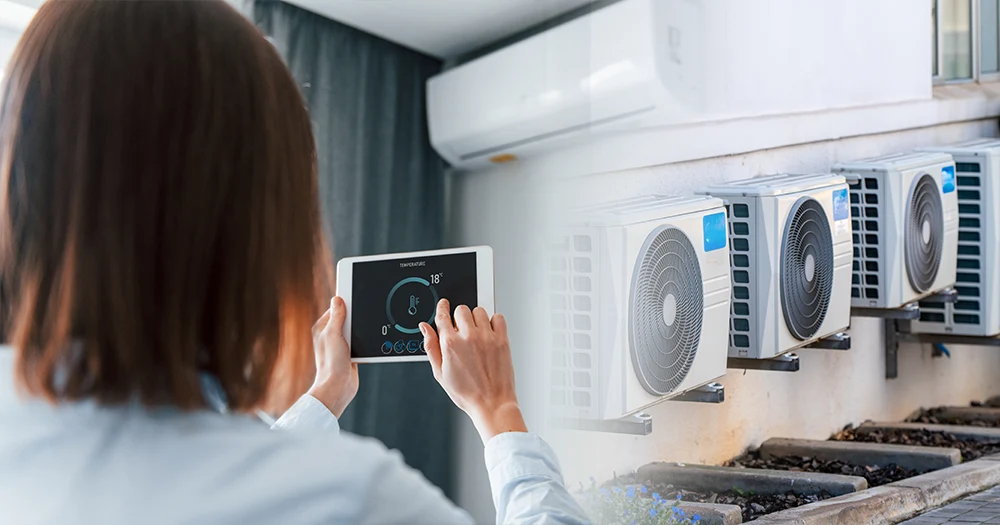 keep track of the temperature, energy use, and hours of operation at all sites.
Use Case- Retail Chain Monitoring
A national retailer has remote HVAC monitoring systems set up in 100 of its stores. Because of a broken thermostat, the cooling unit in one store starts running overnight.
The monitoring platform immediately flags the problem. Managers fix the problem from a distance, saving weeks of wasted energy.
Facility managers usually ask the same question before deploying monitoring technology. Does it actually pay for itself?
Many organizations begin seeing financial benefits from HVAC monitoring earlier than expected. HVAC systems often have hidden problems that waste energy, run for too long, need to be fixed repeatedly, or put stress on the equipment.
Companies can find energy losses and turn them into actual cost savings by using an HVAC remote monitoring system.
Several operational improvements drive ROI in remote HVAC monitoring projects.
Energy Reduction
Energy consumption is the largest area for reduction opportunities. According to the Department of Energy, HVAC systems in commercial buildings use approximately 40% of all energy consumed by commercial buildings.
Monitoring platforms focus on how equipment operates over time, such as the cycling of the compressor and the change in temperature. Oftentimes, small modifications to schedules, loading, or air supply can yield energy savings of 10 to 20%.
Emergency repairs are much more costly than planned repairs. By monitoring equipment via a monitoring system, signs of potential failure (e.g., changes in vibration, pressure drops, or electrical issues) can be identified and addressed prior to the equipment failing, thereby allowing for a planned repair rather than having to react to an emergency.
Longer Mean Time Between Failures (MTBF)
Equipment will last longer when it is operated under stable conditions. Continuous monitoring allows for compressors, fans, and motors to be maintained at a load that is not excessive.
By reducing mechanical stress on equipment, the MTBF will be extended and the replacement of equipment will be delayed.
You can simply calculate ROI using this formula:
ROI = (Net Annual Savings ÷ Initial Investment) x 100
Net annual savings = savings from energy costs + savings from maintenance costs − cost of monitoring.
Let’s look at two simple examples.
Residential Example
A homeowner buys a $400 monitoring kit and puts it in their home. Two things happen during the year:
Because cooling works better, energy bills go down by $150.
A problem with the compressor is found early, so a $250 repair isn’t needed.
Total savings: $150 + $250 = $400
The homeowner got back all of their money in a year.
Commercial Example
A building installs sensors and monitoring hardware that costs $5,000.
Over the next year:
Optimized cooling schedules save $2,000 in electricity
Early fault detection prevents a compressor failure worth $4,000
Total savings = $6,000
Annual software cost = $500
Net savings = $6,000 − $500 = $5,500
The building earns back more than the original investment in the first year. Every year after that, the savings go straight to operations.
Successful deployments follow a more careful rollout. Teams that plan integration, security, and operations early usually see faster results and fewer system issues.
Before deploying any HVAC monitoring systems, it is necessary to determine the current HVAC system.
Older chillers, rooftops, and air handling units can operate using different communication protocols for control. Engineers will check all of the equipment specifications, existing sensors, and current control networks before installing a monitoring device.
This evaluation will help determine whether any additional Internet of Things (IoT) sensors, gateway devices, or protocol converters may be required. When properly integrated into a system, sensors will be able to provide real-time updates on the different environmental factors, such as temperature, humidity, airflow, and amount of energy consumed.
Skipping this assessment often creates data gaps later.
It is extremely uncommon for large facilities to monitor all HVAC units on day one.
Most facility teams start their monitoring process by monitoring one building’s rooftop units or one zone of a building. This lets operators learn how to use the dashboard, adjust the alert thresholds, and make sure the sensors are in the right spot.
It becomes much easier to scale the system throughout the whole facility if the team knows how alerts work and how technicians react.
Connected HVAC systems now work on business networks. This connection makes cybersecurity more dangerous.
Encrypted communication routes, protected cloud storage, and role-based access control for users are all common parts of secure systems. Identity verification and tight access rules make it less likely that someone will get into a building system without permission or change it.
Technology alone does not deliver value, people (technicians and facility managers) do. Providing training on how to read performance dashboards and respond appropriately to alert notifications is critical.
Many buildings that use performance monitoring technologies collect a lot of operating data. Teams may greatly increase their return on investment if they know how to use this data to find ways to make things more efficient or to schedule repairs before equipment breaks down.
Installing monitoring tools is only half the story. Real value appears when teams track the right performance indicators. These metrics show whether the HVAC system actually runs efficiently or just produces more data.
EUI tells you how much energy a building uses per square foot. The U.S. Energy Information Administration uses this number to compare how well building energy systems work. A lower EUI usually means that the HVAC system works better and that energy is used more efficiently.
Uptime keeps track of how often the system works without breaking down. Most commercial buildings aim for 95–98% uptime to keep the indoor environment stable.
Mean Time to Repair (MTTR) indicates how long it takes a technician to repair broken equipment. Improvements in diagnostic processes and coordinated maintenance reduce MTTR and improve operational efficiency.
An excursion occurs when the temperature or humidity reading falls outside defined acceptable limits. Frequent excursions often indicate airflow problems or malfunctioning system components.
Occupant feedback remains a powerful indicator. Comfortable occupants usually confirm the HVAC system operates the way it should.
Many companies can install sensors. Few build a monitoring ecosystem that actually works with the messy reality of existing HVAC infrastructure.
That’s where The NineHertz focuses its work.
The team has developed monitoring platforms driven by IoT devices that connect directly to existing building systems rather than forcing customers to replace equipment. These platforms include high-accuracy environmental sensors, real-time data analytics, and automated diagnostics that identify performance issues before they become critical failures.
Several practical advantages stand out:
HVAC monitoring systems provide facilities with increased operational visibility, reduced equipment-related surprises, and improved energy performance. All of these factors will contribute to lower costs and more stable Indoor environments over time.
1. Can remote HVAC monitoring reduce energy bills?
Yes. Remote monitoring analyzes system performance in real time and identifies inefficiencies such as excessive runtime or airflow problems. Many facilities reduce energy consumption by 10–15% after optimization.
2. Is remote HVAC monitoring suitable for older systems?
Yes. Most HVAC systems that are already installed can use IoT sensors from outside. You don’t have to have a new HVAC system to use these sensors to keep track of power use, temperature, pressure, and vibration in real time.
3. How quickly can I see ROI from HVAC monitoring?
Most facilities can save money in a few months by optimizing their energy use and making fewer service calls. In most cases, the costs of using larger systems are paid back in about a year.
4. Can remote monitoring detect HVAC failures before they happen?
Yes. Sensors are always watching things like current, vibration, and pressure. Predictive analytics finds strange patterns weeks before mechanical problems happen.
5. How much does a remote HVAC monitoring system cost?
Costs vary by building size. Basic sensor kits cost between $160 and $620 (USD) per unit. Large enterprise-level monitoring platforms may require a higher capital investment to establish their infrastructure.
Implementing remote HVAC monitoring solutions results in the transformation of how company or facility managers monitor and maintain HVAC systems. Using IoT sensors, analytics, and automated alerts together can help organizations to reduce their overall operational costs, provide improved comfort to employees, and increase the longevity of their HVAC systems.

Merging Artificial Intelligence (AI) with IoT is one of the groundbreaking approaches in the technology domain. On one side, IoT…
Key Takeaways IoT App development companies in India are progressing fast and serve a global client base. Their clients are…
Key Takeaways Fuel monitoring systems can help fleet-based companies reduce their fuel theft, loss, and inefficiencies through real-time tracking and…