
Todays, Logistics depends as much on data as trucks and warehouses. Each shipment, delivery, and delay generates information, and companies that use this data make quicker and more intelligent decisions.
For this reason, modern logistics teams need a “Logistics Analytics Dashboard”.
Teamwork can go from one spreadsheet to another from the same platform. Dashboards can then be used to communicate operational information in a visual and intuitive way, enabling managers to easily monitor performance, correct mistakes and correct errors.
The demand for logistics analytics are increasingly needed.
Did you know?
The global logistics analytics market is expected to grow from $9.4 trillion in 2024 to $23 trillion by 2035, underscoring the strong investment in data-driven decision-making.
Customized dashboards for logistics analytics solutions help companies increase routes, cut costs, and improve real-time delivery.
In this post, we will present the major features, important KPIs, benefits, and examples of logistics analytics dashboards in action across modern supply chains.
The Logistics Analytics Dashboard is a single, online tool that enables the analysis and presentation of logistics information in a clear, well-organized format. Logistics teams can view the shipment, inventory, transportation, and warehouse activities from a single screen, without having to skim through reports or switch between systems. It converts raw data to simple charts, graphs, and real-time metrics for transportation management systems (TMS), warehouse management systems (WMS), GPS tracking tools, and ERP platforms.
In other words, it allows teams to see what is happening at any given moment in the supply chain and act faster. Managers can see performance measures, anticipate delays, plan routes, and make informed decisions based on data without guessing. These customized dashboards for logistics analytics solutions are also programmable for different departments, from operations to executives, to focus on the important things for them, thereby making logistics activities more efficient, transparent, and proactive. That’s the reason businesses are looking for a trusted supply chain software development company to build dedicated software for seamless business operations.

A well-designed logistics analytics dashboard allows logistics departments to simplify complicated operations and make better, more informed decisions based on data.
Live dashboards show a detailed view of shipment, fleet and warehouse movements.
Customize dashboards so that each team can focus on what they value most.
Convey key logistics performance indicators, such as on-time delivery, costs, and order accuracy.
Get an instant response when anything goes wrong, or goes wrong, including performance.
Historical data is utilized to predict demand, risk factors, and various business environments.
Plan routes for delivery with less fuel and travel costs.
Gain real-time visibility into stock levels in warehouses and distribution centers.
Identify major cost drivers and control transportation and operational expenses.
Automatically generate and share reports for quick and better decision-making.
Connect seamlessly to TMS, WMS, and ERP systems to have integrated logistics information.
Logistics Analytics Dashboard is a user-friendly dashboard with metrics that provide insights into the performance of a logistics company. Organizations do not speculate but rather seek out specific KPIs that evaluate the efficacy of deliveries, operational expenses, utilization of assets, and the quality of customer service. These metrics comprehensively address all facets of logistics performance across transportation, storage, and stock management.
This parallel monitoring of these various KPIs allows quick identification of strengths, weaknesses, and opportunities for improvement. This comparison can easily be done on one dashboard and therefore can be used to compare speed, cost, and service quality while optimising overall supply chain performance.
| KPIs | Primary Focus Area | Operational Goal | Measured Frequency | Helps Improve |
|---|---|---|---|---|
| On-Time Delivery Rate | Delivery Performance | Ensure timely shipments | Real-time / Daily | Customer satisfaction & reliability |
| Transportation Cost per Shipment | Cost Management | Reduce shipping expenses | Weekly / Monthly | Profitability & budget control |
| Order Accuracy Rate | Warehouse Operations | Minimize fulfillment errors | Daily | Order quality & customer experience |
| Inventory Turnover Ratio | Inventory Management | Optimize stock movement | Monthly | Inventory efficiency & cash flow |
| Fleet Utilization | Asset Management | Maximize vehicle usage | Daily / Weekly | Resource productivity |
| Average Delivery Time | Operational Speed | Shorten delivery cycles | Real-time | Service efficiency |
The advent of AI is changing the way logistics companies see data, make informed decisions and improve operations. The traditional logistics dashboards were often about historical data, but artificial intelligence-powered customized dashboards for logistics analytics solutions provide predictive insights, automation, and real-time intelligence that help businesses better react to changing supply chain conditions.
By 2026, AI will become the most complex technology in logistics networks, allowing for increased efficiency, cost reduction, and visibility.
AI assists logistics dashboards to move away from static reports and analyze data from shipments, vehicles, warehouses, and other variables, including weather or traffic. Machine learning models find patterns so that they can predict delivery delays, demand changes, or route teeters before they occur. This enables logistics managers to act rather than respond to problems.
Intelligent algorithms run routes on real-time metrics such as fuel consumption, congestion, delivery priority, and driver availability. Dashboards can be used to automatically suggest routes that will reduce transit time and operation cost relative to an endless road plan. Business owners also benefit from improved delivery and lower transport costs.
Talk to our Experts
Talk to Our Logistics Experts
Modern logistics data analytics platforms with customizable dashboards take on specialized operational decisions. automated systems, for example, can automatically assign shipments, rebalance the inventory across warehouses, or notify the system when performance indicators fall below targets. Automation also eliminates manual intervention, so that the teams can focus on strategic planning rather than continuously monitoring.
AI can learn about past shipments, seasonality, and market conditions for better demand prediction. Logistics dashboards can be used to show businesses these forecasts visually, and thus, businesses can better plan for levels of stocks, staff positions, and warehouse space. Forecasting for accuracy can help to avoid stockouts, overstocking, and last-minute logistics costs.
The AI uses the data about logistics to predict issues such as unexpected shipping delays, inventory changes, or price surges. Managers receive alerts not to the manually gathered reports, but to actionable insights that can expedite issue resolution and improve operational efficiency.
AI dashboards make it easy to break down complex data into digestible visuals. NLP enables users to type in queries like, “Which routes caused the highest delays this week?” and receive immediate summaries of the analytics. This provides logistics intelligence even to non-technical stakeholders.
Unlike other types of data, these logistics data analytics platforms with customizable dashboards are time-varying. More data sets represent better predictions and recommendations for machine learning models. It is through this learning that logistics companies can quickly respond to changing customer needs, market conditions, and supply chain disruptions.

Modern logistics no longer looks at the past, but predicts what will happen next. AI predicts how a user will employ the logistics analytics dashboard to make a decision. Through data collection, AI can anticipate disruptions before they affect operations by understanding historical data, real-time inputs, weather conditions, traffic information, and demand trends.
AI models can, for example, predict delivery delays, surges in demand, routes and shortages in inventory. It allows managers to improve transportation, use resources efficiently, and provide services in a potentially unpredictable world. It provides a means for organizations to reduce operational risk and to ensure reliable delivery and customer satisfaction.
Custom dashboards for logistics analytics solutions are also learning from new data, eventually being smarter, enabling better prediction and offering better recommendations. With automated data collection, firms can identify cost-saving opportunities, increase fleet utilization, and enhance capacity in ways that may not be discernible to humans. The omnipresent nature of predictive intelligence embedded in dashboards is helping logistics organizations to move from reactive problem-solving to data-driven, proactive decision-making.
The most useful Logistics Analytics Dashboard happens when businesses use it to solve real-world operational problems. Analytics dashboards are used to improve visibility, cut costs, and deliverability across industries.
Dashboards provide information about delivery locations, driver behavior and order volumes for major online retailers.. They modify traffic and accelerate deliveries, adjusting last-mile routes. This capability also allows them to maintain strict delivery schedules and minimize fuel and operating costs.
For example, Amazon uses logistics analytics dashboards to monitor and control its network of delivery in real time, improving the performance of last-mile deliveries.
Retailers visualize warehouse and sales information in logistics reports that view inventory movement across sites. They can use this predictive information to accurately forecast demand, preventing both stockouts and overstock situations, thus ensuring product availability while minimizing storage costs.
Walmart is one of the largest retailers that tracks inventory levels across its stores and distribution centers using supply chain dashboards powered by analytics.
These logistics data analytics platforms, including custom dashboards, allow 3PL firms to analyze real-time data regarding the status and performance of their clients. Customers can change delivery status, transit time and service levels, among other performance indicators, to gain more information and remain connected with customers.
DHL, the world’s largest logistics provider, offers analytics dashboards that help customers to see their shipments and performance and make informed logistics decisions..
Logistics dashboards are used by manufacturers to track both the inbound and outbound shipments. They can spot bottlenecks early to delay production and help smooth supply chain operations.
Automobile manufacturer Toyota utilizes data analytics in its supply chain system to oversee supplier deliveries and production logistics, aiding its just-in-time manufacturing process.
Operators, such as those running transportation services, view analytics dashboards detailing vehicle usage, fuel consumption, and driver performance. From this information, they derive insights on route planning, maintenance scheduling, and optimizing fleet utilization.
Companies like FedEx use logistics analytics platforms to examine their fleet data and improve delivery operations, which helps in reducing operational costs while maintaining reliable delivery services.

Logistics data analytics platforms can be configured to match the business needs without requiring manual reporting and manual decision-making. These platforms use operational data to provide visibility, allowing teams to make quicker, more informed decisions that enhance efficiency and profitability.
Improved Operational Visibility & Faster Decision-Making
Cost Optimization and Resource Efficiency
Talk to our Experts
Talk to Our Logistics Experts
Enhanced Customer Experience
Custom dashboards for logistics analytics solutions help to increase delivery accuracy and transparency, and improve customer experience. Teams can also see performance of services, set regular delivery dates, and keep their customers informed in real time. This establishes trust, reduces complaints and increases customer satisfaction.
One of the most significant decisions businesses make when investing in logistics technology is whether to invest in a custom-built dashboard for logistics analytics or a used dashboard from ad agencies. Both have attractive benefits but are dependent on the complexity of operations, budget, scalability requirements, and long-term business goals. Understanding these differences can assist the organization in selecting the best solution at least in terms of value, without unnecessary costs or limitations.
What Is a Custom Logistics Analytics Dashboard?
Custom logistic analytics dashboard is designed to meet your business processes, workflows and data requirements. The developers build the platform from scratch or assemble it further to your logistics needs.
Best suited for:
Advantages:
Challenges:
What Is an Off-the-Shelf Logistics Analytics Dashboard?
The common use cases for dashboards in logistics are off-the-shelf, ready-made software solutions. They can be deployed in small-scale quantities, and businesses can begin tracking performance almost instantly.
Best suited for:
Advantages
Challenges:

The right Logistics Analytics Dashboard can influence how smoothly your logistics operations run. The ideal solution should give you not just a visual representation of data, but help your staff make more informed, faster decisions. The 5 factors to keep in mind when buying a business dashboard are:
Choose a dashboard that is easy to integrate into your existing systems, including TMS, WMS, ERP, and tracking software. Seamless integration with analytics software for SKU level performance tracking ensures accurate data synchronization, automated workflows, improved inventory accuracy, enhanced profitability, and a clearer operational view.
Your operations staff, managers, and executives need different insights. Select a platform where you can add or change KPIs, reports, and dashboards for each user, so they can focus on what they want.
An efficient dashboard should provide visibility into shipments, stock, and performance in real-time. Live data helps teams to respond quickly to disruption rather than immediately to problems.
As you go, more logistics activity will take place, and the dashboard must evolve in response to the growing data and operational complexity. There are features to watch out for, like predictive analytics, automated reporting, and performance forecasting.
The logistics data analytics platforms with customizable dashboards should be easy to use and well serviced for the customers. Role-based access control and strong data protection ensure safe collaboration across teams and safeguard sensitive information.
Logistics Analytics Dashboard is now an essential resource for organizations aiming to develop smarter, faster and more resilient supply chains. As you can see, analytics-driven analytics bring many benefits to logistics management because they help businesses view performance, measure KPIs, reduce operating costs, and make informed decisions by turning complex logistics information into actionable insights. Analytics-driven dashboards provide visibility at scale, from real-time to AI-based predictive insights, moving logistics teams from reactive problem-solving to strategic optimization.
Talk to our Experts
Talk to Our Logistics Experts
With the complexity of logistics evolving, the option to invest in customizable, data-driven analytics tools is no longer an optional feature, but a competitive advantage. Today’s businesses that use modern analytics in logistics can improve delivery, better satisfy customers, and run their businesses more effectively.
The NineHertz can help you make that vision a reality. We are a logistics software development company with over 15 years of experience and cutting-edge technologies that create custom software, data analytics, and enterprise solutions. Our team of 250+ app developers can help you create scalable and custom logistics dashboards that fit your business needs. The right technology expert can not just capture data, but also unlock its full potential to inform smarter logistics decisions and sustainable growth.
A Logistics Analytics Dashboard is a visual format for gathering and displaying information about logistics in one place. It provides real-time visibility into shipment, performance and decision making rather than reports.
One common logistics KPI is the on-time delivery rate, which measures how many shipments get to customers in the agreed-upon timeframe. Companies use this metric to measure delivery efficiency and customer service.
AI enhances the logistics dashboard by using historical and real-time data to anticipate delays, changes in demand, and operational risks. It enables a team to make intelligent decisions, plan routes, and eliminate problems before they arise.
AI improves retail supply chain management software by enabling advanced demand forecasting using historical sales, weather data, promotions, and regional trends. It detects anomalies in stock reconciliation instantly and generates intelligent stock rebalancing recommendations across locations. These capabilities improve forecasting precision, reduce discrepancies, and enhance overall inventory optimization.

It is impressive that C.H. Robinson is using AI for logistics task automation. The global logistics company receives 11,000 emails…
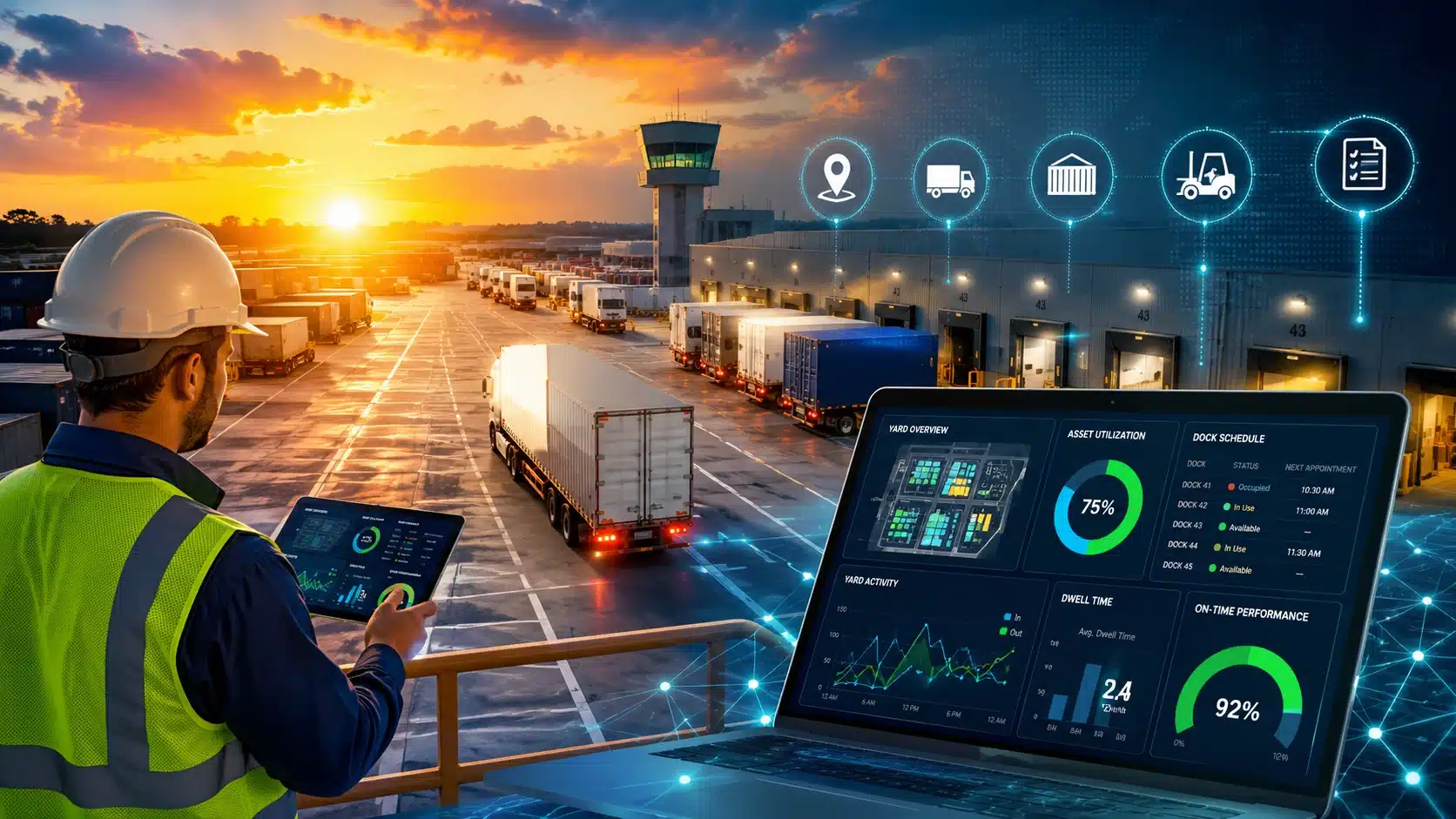
Key Takeaways A yard management system gives logistics professionals real-time visibility of trailers, docks, gates and yard assets and automates…
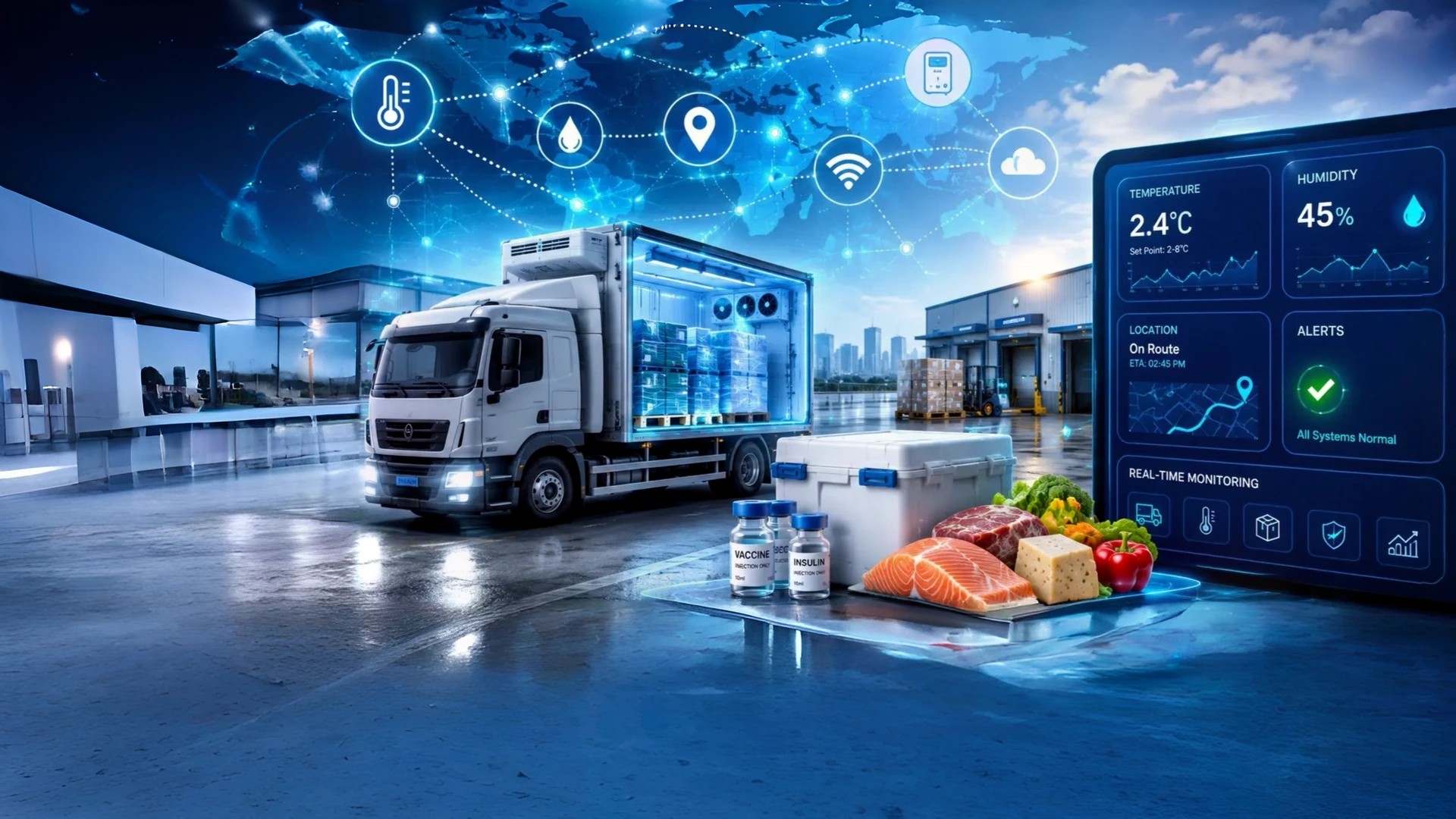
Key Takeaways Post-delivery excursion discovery is a governance architecture failure, not a process gap. Passive data loggers cannot generate corrective…