
Australia has been one of the fastest-growing nations, as a home to over 2.3% of the world’s tech unicorns, creating 1000+ jobs and turning into the largest tech hub. Software development has been a pioneer of innovation, and developers are considering various methodologies, including mobile-friendly development, DevOps, agile development, open-source development, and cloud computing. According to Statista, the overall specialised development segment will expand to reach $4 billion by 2030 to grow at a CAGR of 4.3% to generate the highest revenue for the market segment.
As you explore development services, how much does custom software development cost in Australia? Here is a detailed blog that explains the various factors influencing its variation, depending on feature integration, project complexity, and the type of software development services in Australia you choose.
Software development is a complex process that comprises a breakdown costs relating to project types, features, tech stack, and timeline. Therefore, when deciding on a budget, it is essential to understand the variations, such as whether to use freelancers or an in-house team, which directly influence development costs.
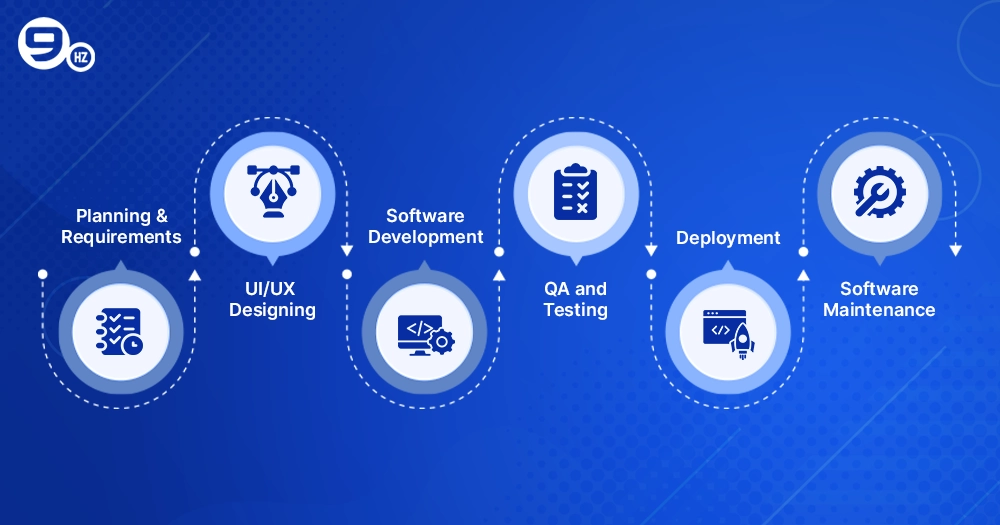
Software development goes through different phases, from planning, developing, testing deployment to maintenance. Considering these steps, costs were distributed to align with the estimated budget to deliver reliable software with the right integrated features.
For a clear understanding, we are sharing an example defining cost distribution for software development in Australia.
Assuming an estimate of the software development project budget of $2,00,000
It requires an initial estimation that involves deciding on the project scope, stakeholder meetings, and a feasibility study. This step allocates over 12% of the budget, which comes to $24,000.
Here, the development team invests in creating visual design, prototyping, wireframing, user flows, and elements. It constitutes over 10% of the total allocated budget, which comes to $20,000.
It is the core phase of software development where developers start with the backend and frontend coding, architecture designing, iterative building, and user flow. It will create an estimated cost of around 43% of the budget, as $86,000.
In the post-development phase, there is a requirement for manual, automated, and User Acceptance testing, fixing bugs, and performance or security validation. It comes to around 17% of the budget, as $34,000.
Launching the software requires multiple arrangements for the cloud hosting, CI/CD setup, live support, and rollback planning. This level distributes the estimated budget at 6% which creates a cost of $12,000.
Post-launch support incurs varied cost implications, including regular updates, bug fixes, customer support, and performance optimization. It will constitute approximately 12% of the allocated budget, costing around $24,000.
The software development sector is becoming increasingly competitive, driven by trends such as advanced architecture, multi-level cloud deployments, AI, and ML features. Therefore, depending on the complexity of basic, medium, and advanced-level software, there is variation in Custom software development costs in Australia.
| Complexity Level | Project Examples | Cost Distribution by Phases (%) | Total Cost Range (AUD) |
|---|---|---|---|
| Simple | Static websites, basic apps, and landing pages |
Planning: 10% Design: 10% Development: 40% Testing: 10% Deployment: 5% Maintenance: 25% |
$20,000 – $50,000 |
| Moderate | CMS, e-commerce platforms, multi-page portals |
Planning: 12% Design: 12% Development: 45% Testing: 15% Deployment: 6% Maintenance: 10% |
$50,000 – $150,000 |
| Complex | SaaS platforms, fintech, healthtech apps, and real-time systems |
Planning: 15% Design: 10% Development: 50% Testing: 18% Deployment: 7% Maintenance: 15% |
$150,000 – $500,000+ |
Industry-specific software is redeveloping the space, with cloud computing and automation, making it easier to build customisable solutions. Basic software has its limitations, while custom development helps to deploy best-fit features, like for the retail sector, AI-driven demand forecasting features that improve customer experience.
| Industry | Estimated Cost Range (AUD) | Typical Project Types |
|---|---|---|
| Healthcare | $200,000 – $600,000+ | Telemedicine apps, EMRs, and patient portals |
| FinTech | $250,000 – $700,000+ | Digital wallets, lending platforms, trading apps |
| E-commerce & Retail | $60,000 – $300,000 | Multi-vendor stores, inventory systems, and POS apps |
| Education (EdTech) | $50,000 – $200,000 | LMS platforms, online course apps, and school ERP |
| Logistics & Transport | $100,000 – $400,000 | Fleet tracking, delivery apps, and route optimization |
| Construction & Real Estate | $80,000 – $250,000 | Project management, CRM, property listing portals |
| Government & Public Sector | $200,000 – $1,000,000+ | Citizen portals, permit systems, and case management |
| Media & Entertainment | $100,000 – $500,000 | Streaming apps, news platforms, and creator tools |
| Agritech | $80,000 – $250,000 | Farm management, sensor dashboards, crop analytics |
| Tourism & Hospitality | $60,000 – $180,000 | Booking engines, restaurant apps, travel planners |
If your business is looking to hire the best software developers in Australia, you have multiple options: freelancers, an in-house development team, third-party agencies, offshore development, and fixed-price contracts. Every model derives its own benefits, and fits to respective business types, like startups prefer a more hybrid or offshore model, while enterprises aim to hire local agencies.
| Hiring Model | Estimated Total Cost (AUD) | Per-Hour Rates |
|---|---|---|
| In-House Team | $300,000 – $500,000 | $100-$180/hr |
| Freelancers | $100,000 – $200,000 | $50-120/hr |
| Local Agency | $350,000 – $700,000 | $120-$250/hr |
| Offshore Team | $80,000 – $150,000 | $30-$60/hr |
| Hybrid Model | $150,000 – $300,000 | $70-$150/hr |
Software development can be categorised into general, business, and customer software. In the era of digitalisation, every sphere of business requires application software. So, before considering the cost of software development in Australia, explore which software type helps to save time, cost, and improve decision-making and productivity.
| Software Type | Description | Cost Range (AUD) |
|---|---|---|
| Mobile Applications | iOS, Android, or cross-platform apps (Flutter/React Native) | $60,000 – $250,000+ |
| Web Applications (SaaS) | Cloud-based platforms for subscription or enterprise use | $100,000 – $500,000+ |
| E-commerce Platforms | Online stores, multi-vendor systems, and product catalogs | $50,000 – $200,000 |
| Marketplace Platforms | Platforms connecting two user types (buyers/sellers, students/mentors) | $100,000 – $400,000 |
| Data Analytics Dashboards | Visualization and analytics from internal or third-party data sources | $80,000 – $220,000 |
| IoT Applications | Software to control or monitor hardware (e.g., sensors, home automation) | $100,000 – $400,000+ |
As businesses have more choices for software types, developers have options to choose from for approaches to deliver the right product. So, the cost to develop software in Australia will differ based on the methodologies developers follow. There are direct and indirect costs tied to the development that ensure project success.
| Development Approach | Average Cost Range (AUD) |
|---|---|
| Low-Code/No-Code | $20,000 – $80,000 |
| RAD (Rapid App Development) | $50,000 – $200,000 |
| Waterfall | $80,000 – $300,000 |
| Monolithic Architecture | $80,000 – $250,000 |
| Agile (Scrum/Kanban) | $100,000 – $500,000+ |
| DevOps-Driven Agile | $120,000 – $600,000+ |
| Microservices Architecture | $200,000 – $1,000,000+ |
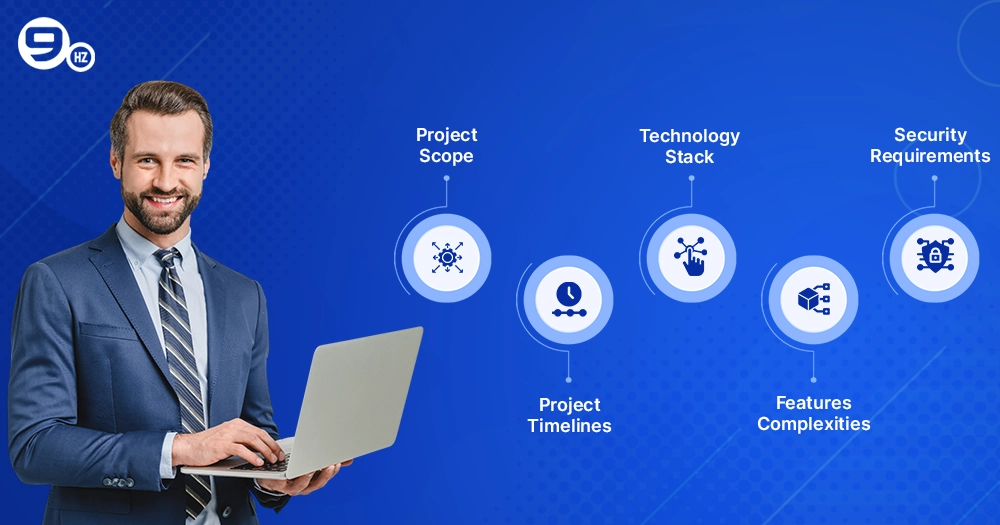
Financing a software development project will be difficult if we overlook factors impacting the decisions. Here are the following factors to consider before setting up the budget:
Defining your software requirements clearly for the initial stage will result in the right estimate for development costs. It will prioritise features and functionalities based on value for end users and reduce the wastage of investment.
Deciding on the right timeframe for your development project will strike a balance between cost and the pace of development. Shorter timelines require more resources to be promptly, which will add to the cost, while an extended timeline might delay product launch for increased opportunity costs.
Advanced software development needs the latest frameworks, tools, APIs, and programming languages that influence software development costs. Adopting the right tech stack will help to maintain balance for scalability, functionality, and long-term maintenance costs.
Custom software development cost in Australia will be impacted by feature integrations and their complexities. Depending on the basic features like user authentication or user profile, it will cost less, while advanced features like API integration, real-time collaboration, or offline sync will increase the cost.
Software development without security measures could be the reason for failure, so companies aim to protect data through SSL certifications, licensing, cloud investment, IP control, and encryption.
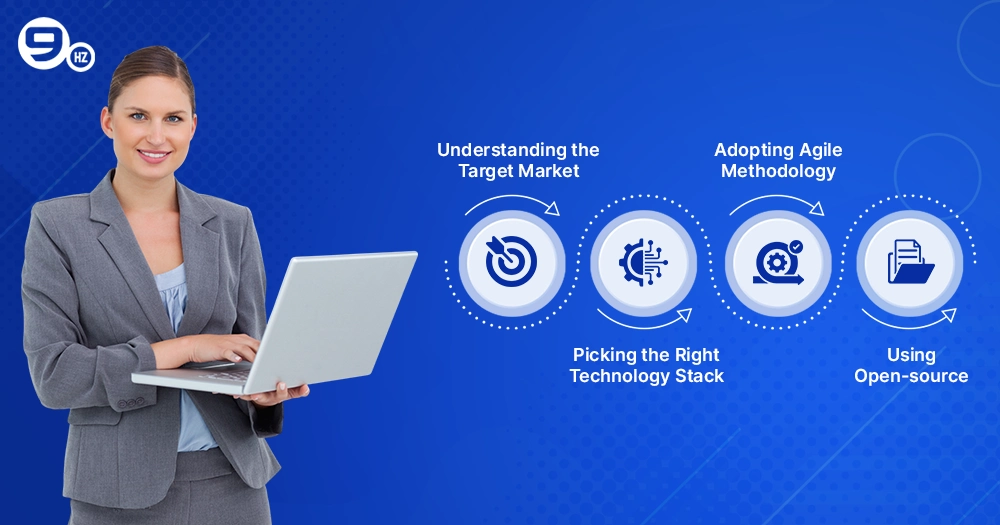
From customized features to AI integration, businesses aim to launch perfect software with minimal investment and cost of software development in Australia. Whether it’s outsourcing and open source tools, there are multiple ways to reduce the overall development costs:
The ultimate goal of software development is to provide services or products to end users. So, understanding your target market and their needs helps you to focus on core features and functionalities that provide value for users.
To maintain your budget for software development, you can enlist tools and frameworks that fit right for your feature expectations. It is advisable to hire a development company that provides skilled developers, the right tools, and support – this will be a cost-effective solution.
The practice of agile development will help to reduce cost through breaking projects into smaller sprints, which allows for a shorter development cycle. It allows to easily track for feedback from end users and is flexible to implement any new changes without any risk for existing framework.
Open-source frameworks like AngularJS, Django, Ruby on Rails, Laravel, or Blazor are one of the significant ways to reduce the cost of software development. Skilled developers preferred these tools to integrate expensive features at minimal costs.
Custom software development cost in Australia has a different outlook for hiring an internal developer team and outsourcing to freelancers. To maintain the balance for factors like talent, costs, and time, it is essential to juggle with the option to define the pros and cons of development.
Companies looking for a specific solution prefer in-house software development with a team of developers, UI/UX designers, and senior architects. This provides better control over the project, flexibility, and security.
Mostly, startups and enterprises for temporary projects prefer to outsource software development services. Outsourcing has multiple defined models of nearshoring, offshoring, freelancing, and extended team offering more scalability with minimized inputs and risks.
From intelligent automation, IT consulting to AI-driven software development, NineHertz is your go-to partner! It is one of the top-rated custom software development companies in Australia delivers enterprise software, ERP, supply chain management, asset management, HR solutions, and eCommerce software. Whatever model you are aiming for, B2B (Business to Business), B2C (Business to Customer), and B2D (Business to Developers), we have served industries for over 15 years to gain all-around experience.
Connect with our certified developers to get your best-fit software with innovative features, integrations, on-time delivery, innovative technologies, architecture design, test automation tools, and security features.
Software development cost in Australia can range between $20,000-$3,00,000, depending on the project size and complexities, development approach, app type, team experience, and location. Australia has been the land of tech opportunities that attracts global investment to expand your business digitally. Global companies prefer to invest in software as it helps to target the right market, enhance customer experience, and improve decision-making. From off-the-shelf solutions to customized applications, businesses are actively exploring software development in Australia to maximize their ROI.
Overall, the average cost of software development in Australia can range between $20,000- $3,00,000.
Building a software will take around 3 to 12 months, depending on project size, features, team size, and locations.
You will find variation in hourly rates for different Australian cities. For cities like Melbourne and Sydney, it will quote the highest rate as $120 to $ 200 per hour on the other hand, places like Hobart and Adelaide offer affordable rates of $90 to $150 per hour.
Yes, hidden costs related to software development include licensing fees, post-launch maintenance, testing tools, and cloud services.

It’s shocking that one malformed payload could have leaked customer data through an API edge case. It happens when there…

Any enterprise managing 500+ operations at times across the globe to cover supply chain, production lines, customer service centres, and…

Innovation has been a game-changer for asset tracking, with the introduction of barcode labels, asset tags, and the integration of…